
Erin’s Ecology Diary
🦎🦡 A busy start to my second survey season! 🪺🦉
2026 survey season is now well underway, and it is one of the busiest – but most exciting – times of the year in ecology. With longer days and warmer weather comes the return of protected species surveys, habitat assessments and plenty of early mornings in the field.
One of the main surveys I have been involved in recently has been breeding bird surveys. These require ecologists to be on site before sunrise, which means some very early 3am starts. Timing is important, as birds are most active during dawn chorus, allowing us to identify species through sightings, behaviour and song. While the alarms can be painful, getting to experience habitats completely undisturbed at sunrise always makes it worthwhile.
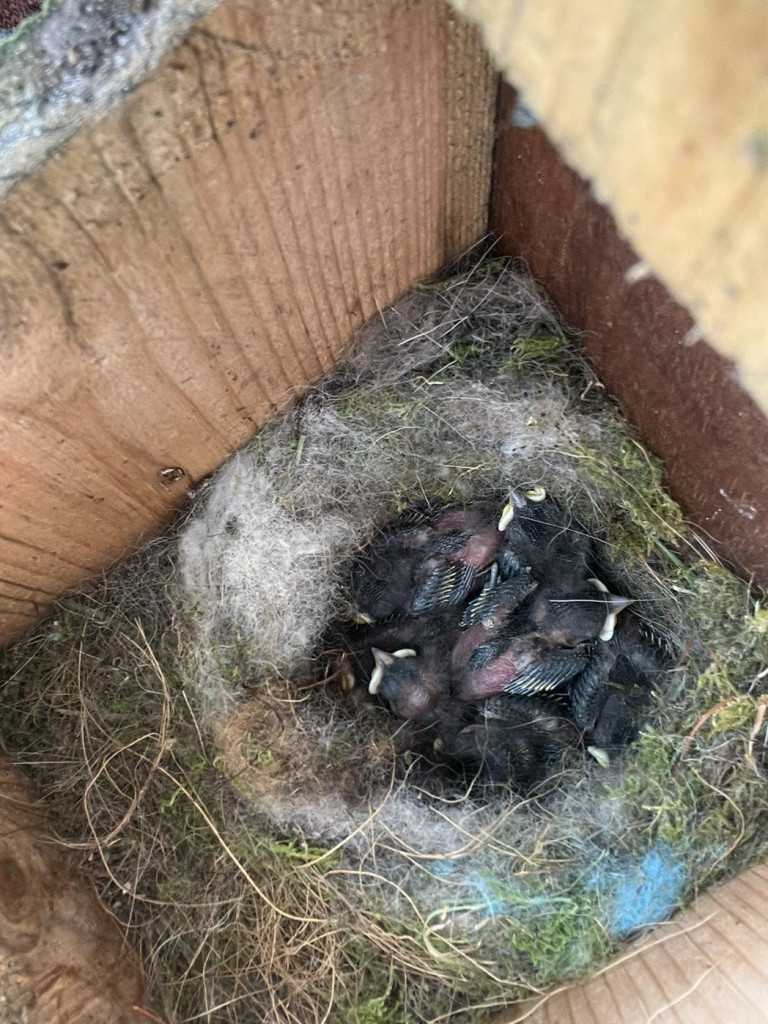
I have also been carrying out Ecological Clerk of Works (ECoW) roles on a number of sites recently. One site in particular involved monitoring a pair of great tits using a nest box -including these hungry little chicks! Monitoring nesting activity like this is really important, as it helps us understand where birds are within their nesting cycle and ensures works can be planned appropriately to avoid disturbance during this sensitive period.
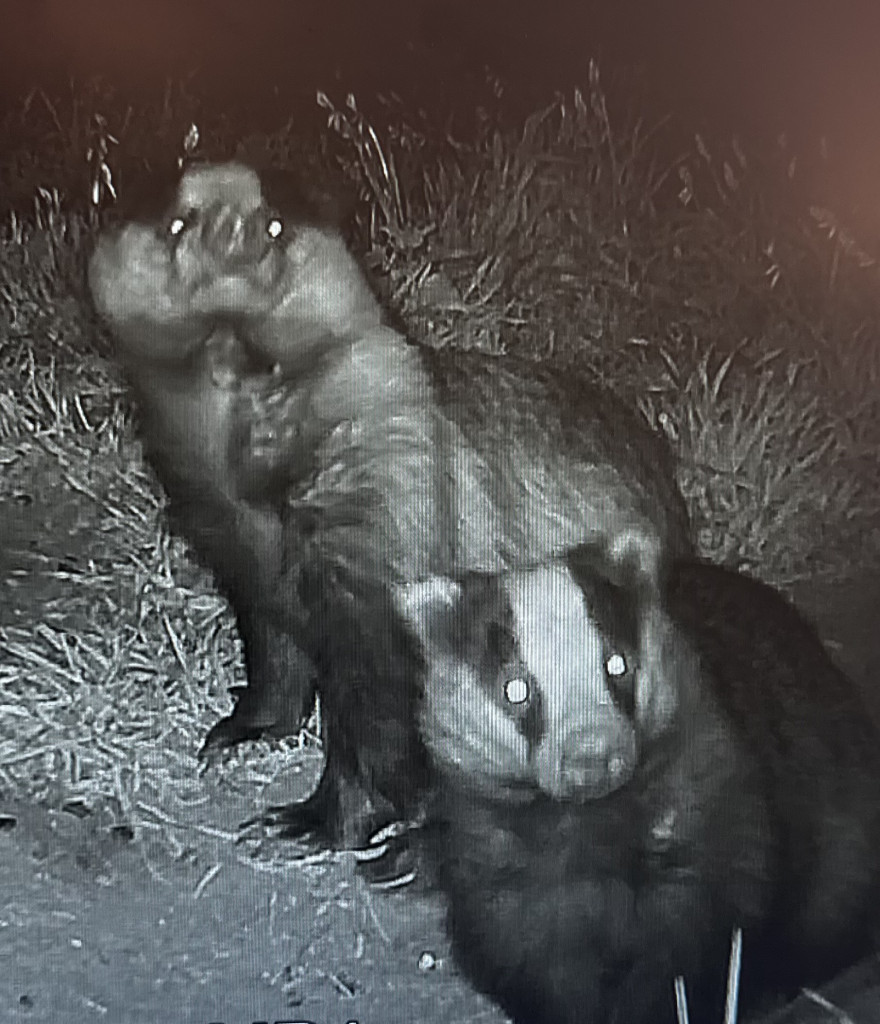
Alongside bird work, I have also been involved in badger bait marking surveys, which are used to better understand badger territories and social groups. The survey works by placing a mix of peanuts, oats and golden syrup containing small coloured pellets near active setts. Ecologists then check badger latrines over the following days to look for the coloured pellets, helping determine whether different setts are linked to the same clan or belong to separate family groups. It is a fascinating survey technique and a great example of the more behind-the-scenes methods used in ecology.
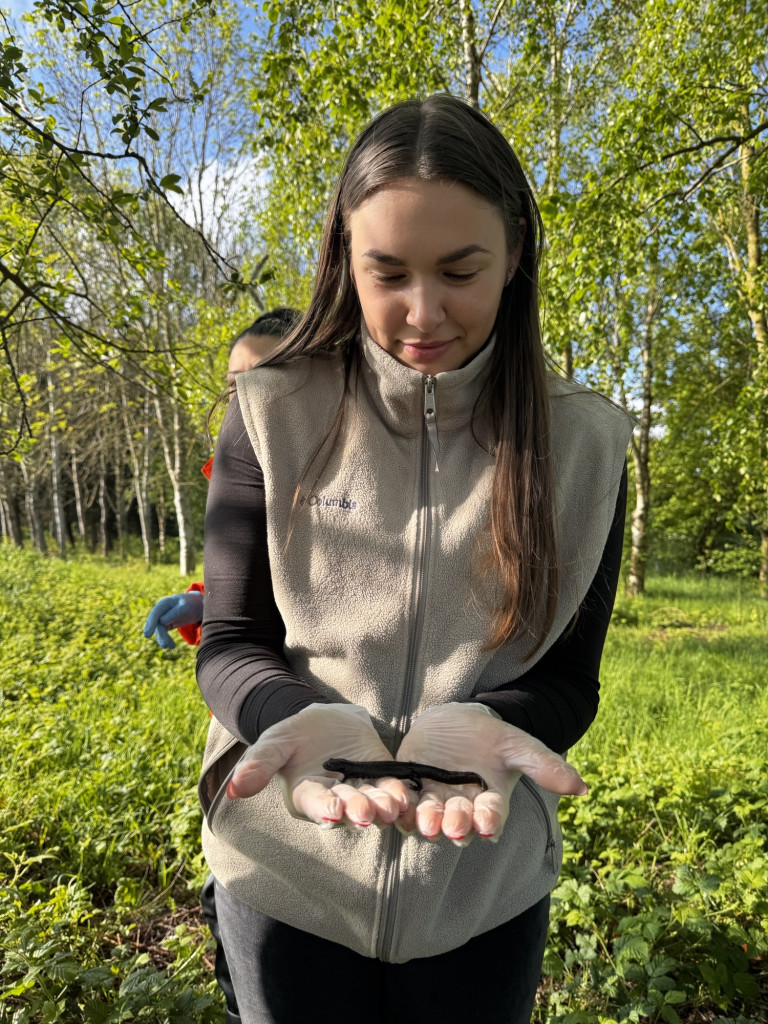
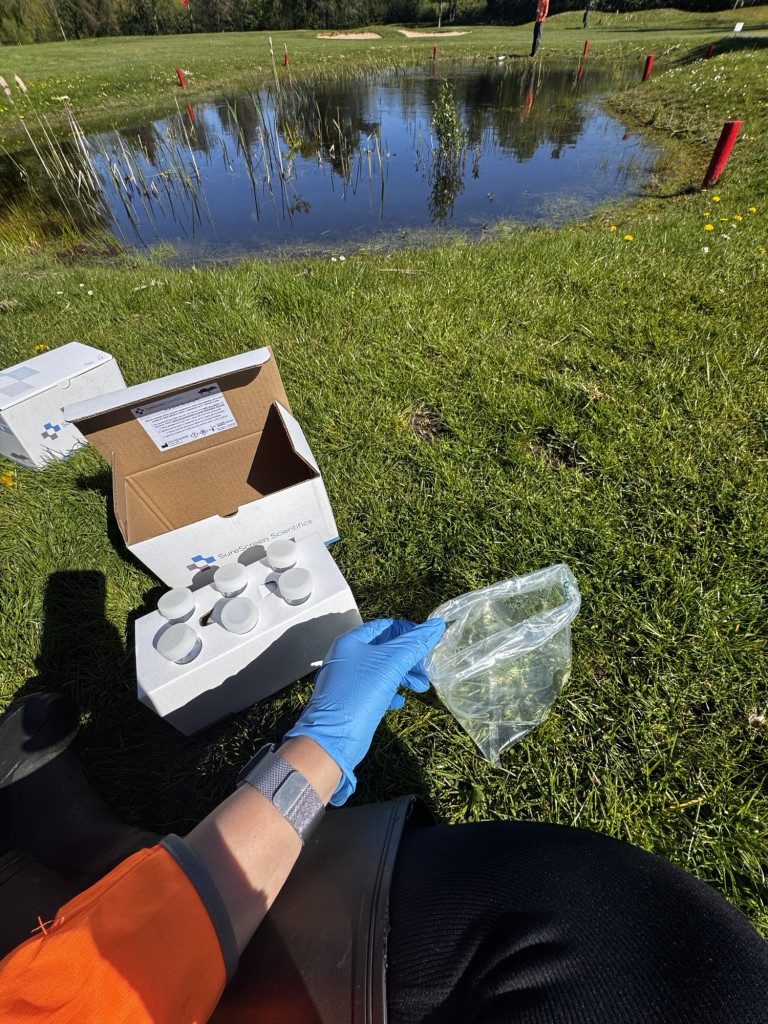
Another key part of my season so far has been eDNA work, where I have taken on the role of my region’s eDNA champion for 2026. Environmental DNA (eDNA) sampling allows ecologists to detect species presence through traces of genetic material left behind in water samples, commonly for GCN (Great Crested Newts). The process requires strict organisation and handling procedures, and my role involves coordinating sample kits, ordering equipment, sorting materials and arranging deliveries for projects across the region.
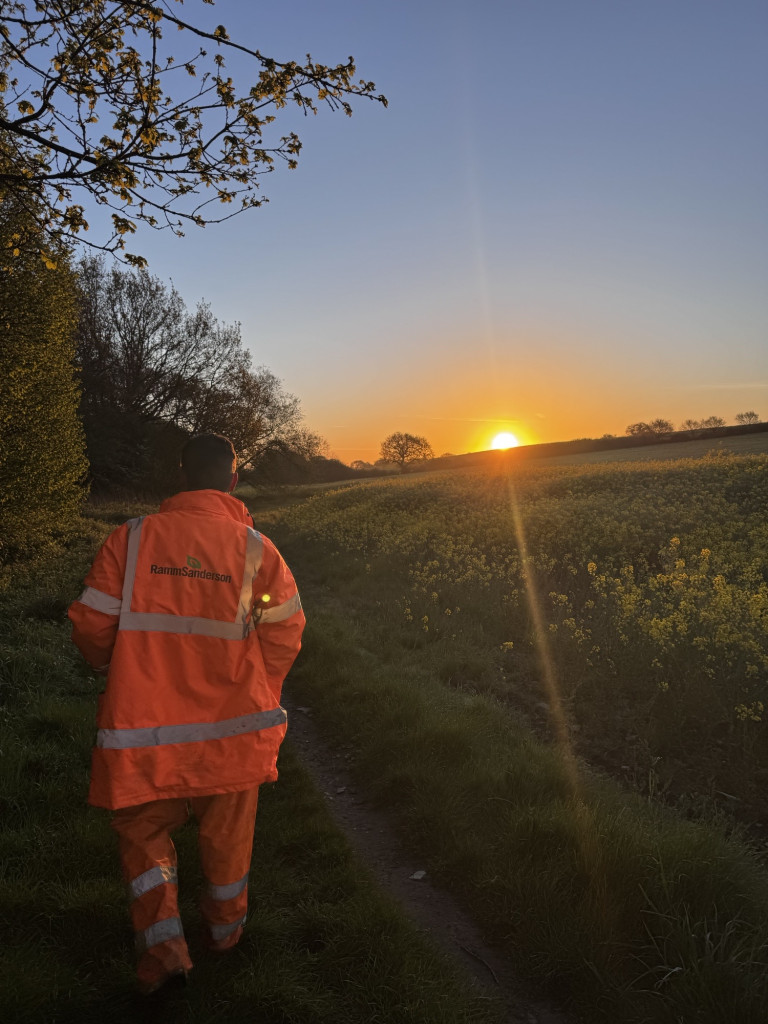
I’m also really pleased to share that I have recently been promoted to Assistant Ecologist. It is rewarding to see my hard work recognised, and I’m looking forward to continuing to build my experience and take on new challenges throughout the rest of the survey season.
Posted: 19/05/2026
When the Field Season Freezes: Winter in the Life of an Ecologist❄️
Winter in ecology is often seen as the “quiet season”, but that doesn’t mean things slow down — they just shift indoors.
Over the past few months, I’ve swapped early starts and late nights in the field for report writing, which makes up a large part of ecological consultancy outside of peak survey season. I’ve been working on reports like Preliminary Ecological Appraisal Reports (PEARs) and Protected Species Reports (PSR), using data collected earlier in the year to assess sites and potential ecological impacts. It’s very different to summer fieldwork, but it’s been a really valuable part of understanding how everything fits together.
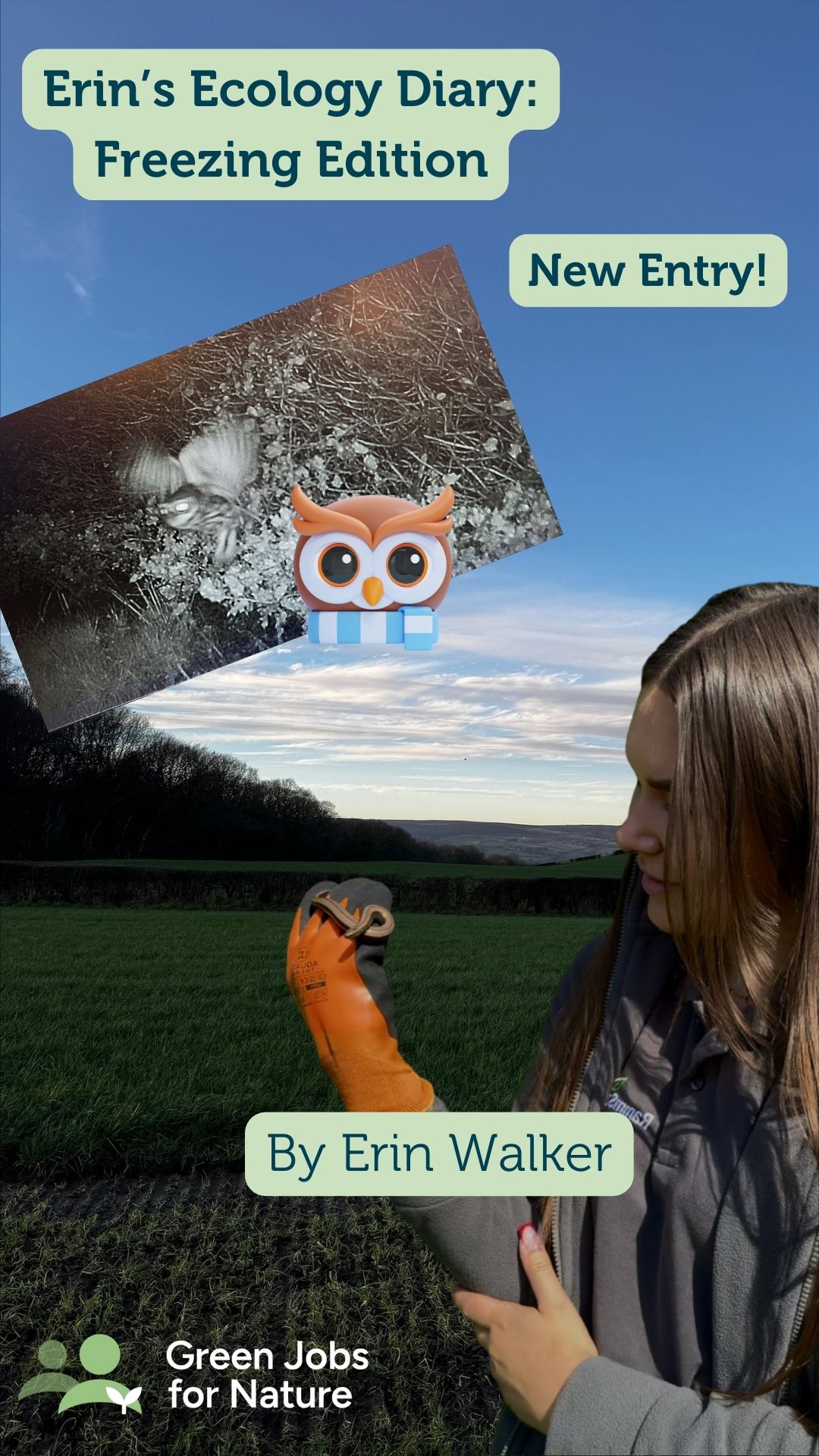
I’ve also still had the chance to get involved in some winter survey work, such as badger camera trap surveys, which involves going out and deploying camera traps set to specific settings that will collect approximately three weeks of nocturnal footage. Spending time reviewing camera footage has been a good reminder that wildlife doesn’t stop just because the weather turns colder — you just have to approach surveys in a different way. Other surveys that take place during winter include UK Habitat surveys, Ground level tree assessments (GLTA), and preliminary bat roost assessments of buildings (PBRA), which are important for informing planning applications and deciding what further surveys might be needed once the active season begins.
Report writing can be one of the more challenging parts of the job, especially when you’re still learning. It requires you to be precise, clear, and confident in your understanding of guidance and legislation. However, it’s also where a lot of learning happens. Writing reports really helps you understand why surveys are carried out in the first place, and how the information collected in the field feeds into planning decisions and mitigation measures. Seeing that full process has made my work feel much more rounded.
Winter has also been a great opportunity to focus on training and professional development. I’ve recently completed the first half of my Barn Owl training course with the Barn Owl Conservation Trust, which has been brilliant so far. With fewer surveys happening, winter is a really good time to fit in training and take a bit more time to explore areas you might want to develop further as your career progresses.
Although winter work in ecology is mostly office-based, it definitely makes the return to fieldwork feel even more exciting. As the days start to get longer, I’m really looking forward to getting back out surveying in March, particularly as I begin training to lead breeding bird surveys.
Posted: 26/01/2026
Follow me on TikTok for all things wildlife! 🐾 I’ll be sharing content similar to what I write about on the blog!
Flat Out in the Field – July as a Graduate Ecologist 🌿
I quickly discovered the advantages of my vocational background at University, especially in modules with a UK conservation focus. While many of my peers were struggling to gain field experience and juggling volunteering alongside attending lectures, I was earning money helping manage sensitive sites during the holidays. I found that I had already covered the content of my Ecological Consultancy module, and I was confident conducting a range of surveys during fieldwork opportunities. When it came to picking modules, I had a good idea of the skills I would need as a graduate, and selected the modules I felt would be most beneficial. One of the highlights of university for me was getting to apply my field skills to deeper research, particularly through the analysis of long-term monitoring projects. It really felt like connecting the dots between the skills I learned at college – starting with initial site exploration and ending with a detailed understanding of community interactions.
With all that being said, there are difficulties moving from a more hands on course to university. The first term included a lot of content that others had covered in A-Level courses. I spent the summer skimming a biology textbook to get a general idea of the basics for genetics and physiology, but some things were new to me. Thankfully, the first term of university did a great job of getting everyone to the same standard – although I did have to cram a bit.
Posted: 01/09/2025
Boots On, Binoculars Out – 2 months as a Graduate Ecologist 🥾
Two months into my graduate ecologist role, and I’ve already packed in a huge amount! The variety of work has been amazing – from early bird surveys starting at 3 a.m. to bat surveys that run late into the night. It’s definitely not your typical 9–5, and that’s part of what makes it so exciting!
I’ve had plenty of opportunities to get hands-on with many different surveys, including eDNA sampling for Great Crested Newts, Bat surveys, Breeding Bird surveys, Reptile surveys, ground-level tree assessments (GLTAs), and many more. Each one brings something new to learn and a chance to build my field skills.
One of the highlights so far was a team trip to Bempton Cliffs and Flamborough Head, where we were treated to incredible views of seabirds like gannets, razorbills, black guillemots, and puffins – plus hundreds of seals! I also had the chance to head up to Scotland to complete the NC500 as part of a charity birding challenge – an unforgettable experience in an amazing landscape, and for a great cause too. More information and pictures of the Scotland trip can be found on my LinkedIn.
With sites ranging from 10 minutes to two hours away, driving has quickly become an essential skill, and being adaptable is a must. Plans can change quickly depending on the weather, wildlife activity or new priorities – but that’s all part of the challenge, and I’m really enjoying it.
It’s been a brilliant start to the job, and I’m excited to see what the rest of the season brings 😁
Posted: 26/6/2025
Hi everyone – and welcome to the start of my journey as a graduate ecologist! 😊
My name is Erin, and over the past few weeks I’ve taken my first steps into the world of professional ecology. It’s been a busy but absolutely wonderful start – in just three weeks, I’ve already gained a huge amount of experience. I’ve been involved in a range of surveys, including environmental DNA (eDNA) surveys for Great Crested Newts, reptile surveys, nesting bird checks, Otter and Water Voles surveys, and made a start on the first Bat emergence surveys of the season! Every week has been filled with travel, fieldwork, and new learning opportunities, and I’m excited to share my experiences through this blog.
As a graduate ecologist, a lot of my role involves being out in the field several times a week, carrying out surveys to record the wildlife present at different sites. There’s also an important desk-based side to the job: I help with desk studies, which involves ordering ecological data from local record centres and collating important land designation information. This helps us to understand what species and habitats might already be present before we even step onto a site, and it guides the planning of our surveys.
But what exactly is an ecologist?🤔
An ecologist is someone who studies the relationships between living things and their environment. In consultancy, this means surveying habitats and species, assessing how proposed developments might affect them or designated sites , and advising on ways to protect and enhance biodiversity. Essentially, we help ensure that wildlife and natural habitats are properly considered when changes are made to the landscape. I’m looking forward to sharing more about the day-to-day life of an ecologist – and showing you why it’s such a rewarding and exciting career to be part of! 🌳🦇🪱