
Saying Yes to Opportunities: Making the Most of My Time at University
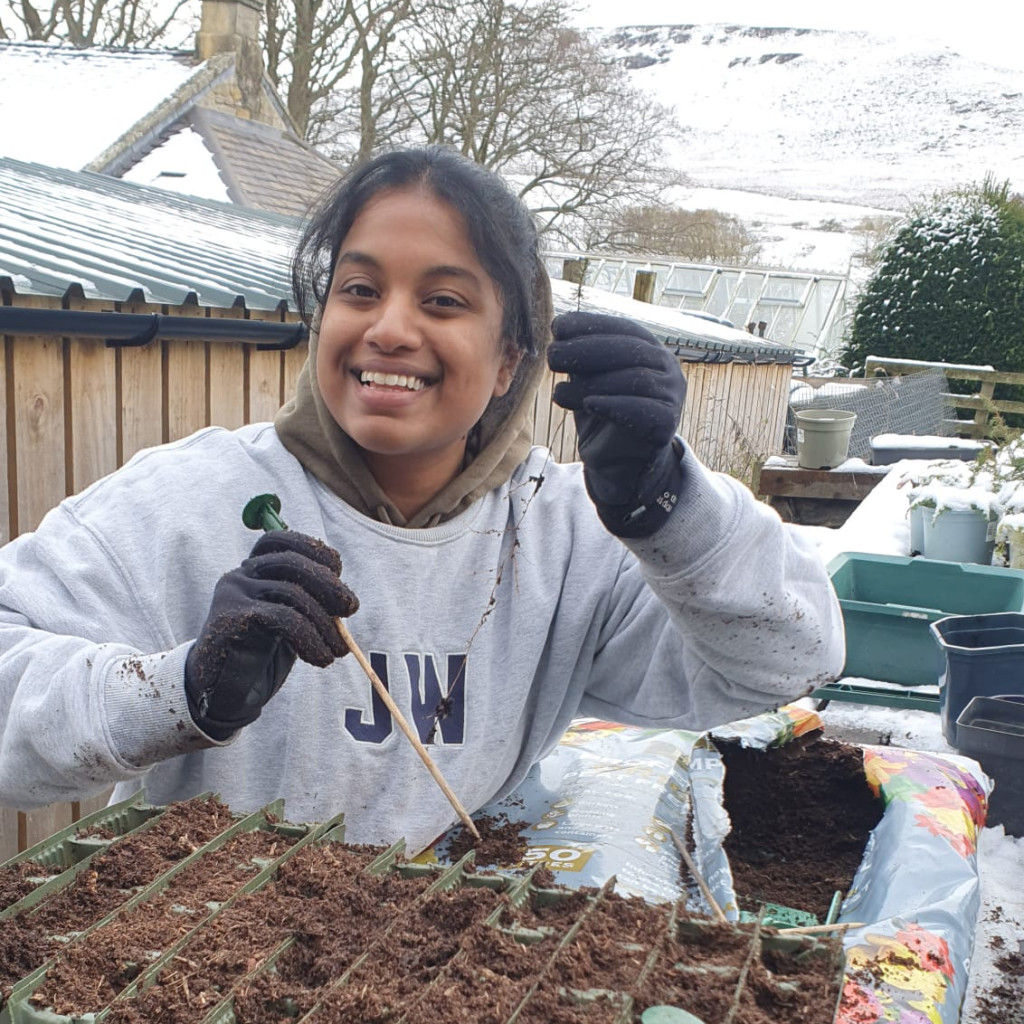
How I made the most of university and was recognised as CIEEM Student of the Year for my degree programme
When I started my degree, I didn’t have a five-year plan. What I did have instead of an end goal was a habit: whenever something interesting came up – a webinar, a volunteering role, a chance to help out at an event – I said yes to it. Three years on, that habit is the main reason I was recently named CIEEM Student of the Year for my degree programme, and it’s also the thing I’d most want other students to take away from my time at university.
A degree gives you the academic foundation, but it’s rarely enough on its own to set you apart in a competitive sector like conservation. What made the real difference for me was everything I built alongside it.
Finding my foundation through fieldwork
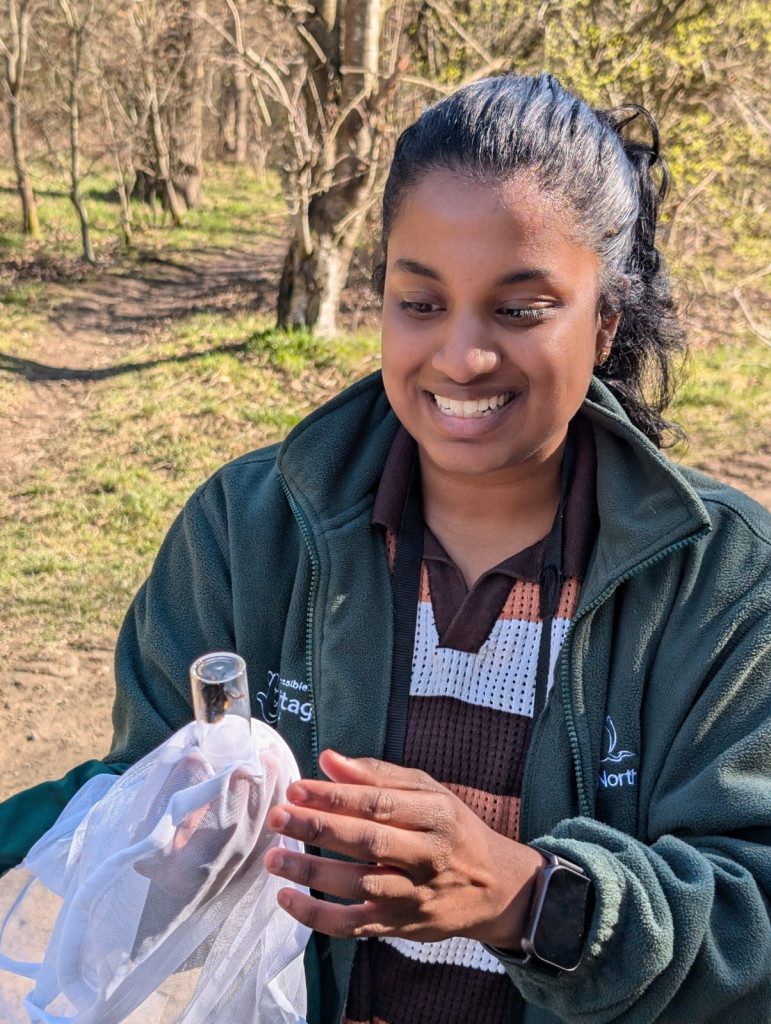
One of the most formative experiences of my degree was a year-long placement as a Student Naturalist with the Natural History Society of Northumbria. It gave me my first real taste of fieldwork: species monitoring, surveys, and the kind of practical conservation skills you simply can’t get from a lecture theatre. I also got involved in public engagement through the Society’s “Wildside Walks” videos and 1829 talks, which pushed me to translate what I was learning into something accessible for a wider audience – a skill I now think is just as important as the science itself (and has a whole branch of jobs dedicated to it under ‘science communication’).
That placement led to more responsibility than I expected. I went on to become a Trustee of the Society, which has meant taking on leadership and governance – experience most students don’t encounter until much later in their careers.
Letting curiosity pave my way
Alongside placements, I took up a OnePlanet DTP Research Experience Studentship investigating the interaction between Himalayan balsam and pollinator communities. It was the first time I’d worked on a sustained, independent piece of research, and the data I collected ended up underpinning my dissertation. Getting hands-on with a question I genuinely cared about made the research process feel a lot less abstract – and a lot more like the start of a career rather than just a module to pass.
I’ve tried to keep that momentum going through shorter courses and training too – everything from bee nesting ecology and invertebrate macrophotography to an Urban Rewilding course with Wageningen University. None of these were compulsory. I did them because they kept me curious, and because each one added something to my skill set that a standard timetable wouldn’t have.
Saying yes to the things that don’t look like “career steps”
Not everything I got involved in was obviously about ecology. I worked as an event photographer for my university’s Indian Society, took on a Student Representative role for my department, and spent time in retail roles at supermarkets. None of these were glamorous, but they taught me things that turned out to matter just as much as my technical knowledge – time management, working with people, and simply being reliable.
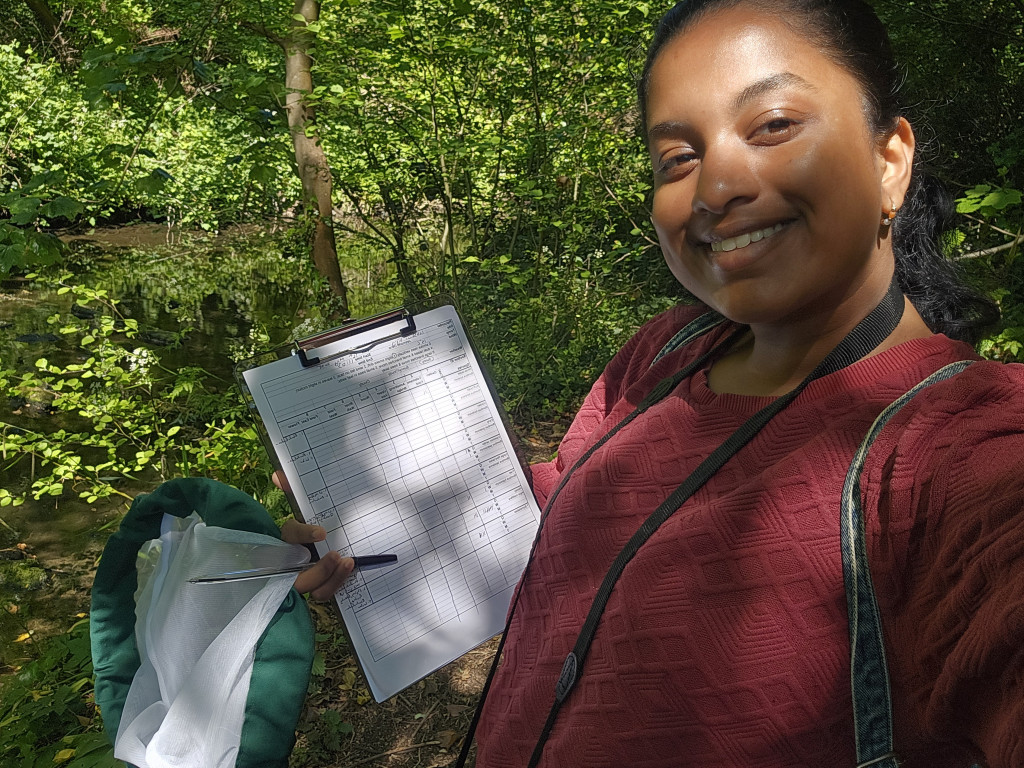
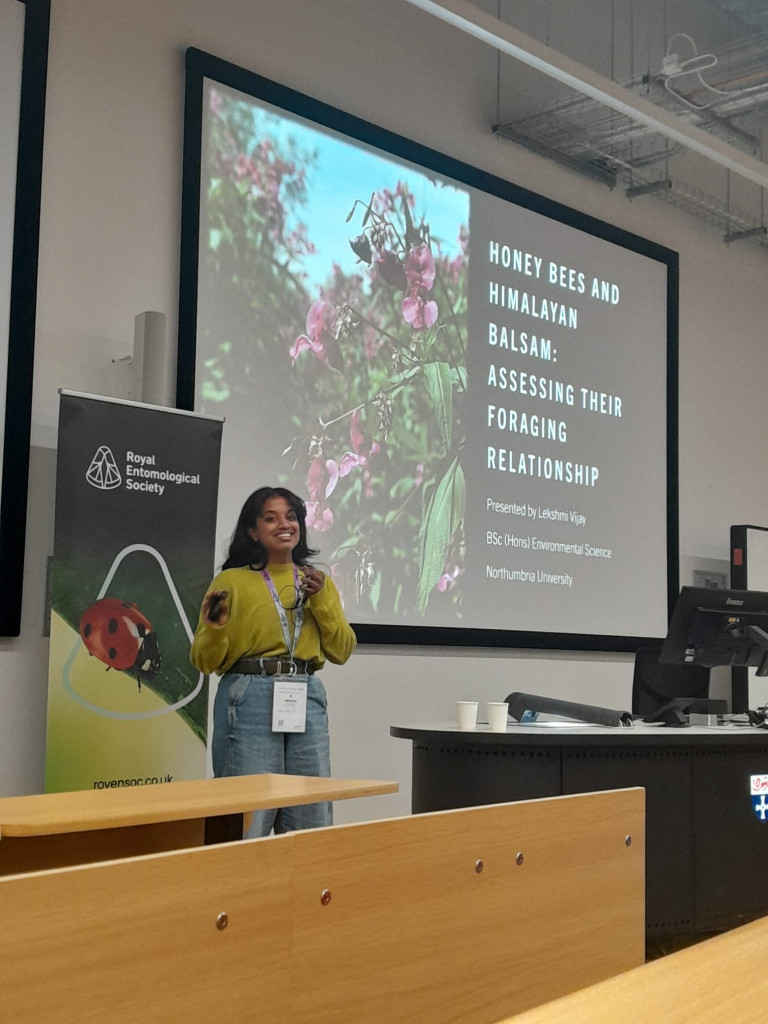
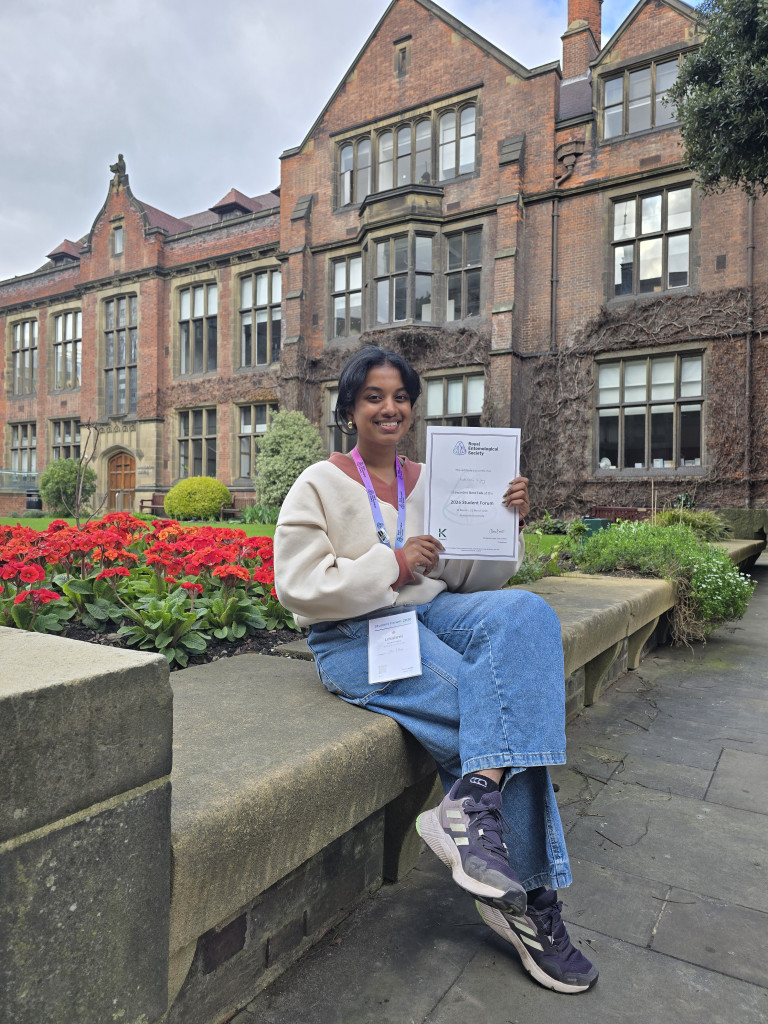
I’d also encourage students not to underestimate the value of volunteering for things that feel small at the time. Leading local BeeWalk surveys for the Bumblebee Conservation Trust or presenting at events like the Royal Entomological Society’s Student Forum each gave me a little more confidence and a few more connections (and more awards!) than I had before.
None of it felt strategic in the moment, but simply the next thing that sparked my interest and aligned with my passion. Looking back, it all built toward the same thing: a much fuller picture of what a career in this sector could actually look like.
What it added up to
Being named CIEEM Student of the Year for my degree programme wasn’t the result of one big achievement. It was the accumulation of saying yes to opportunities as they came – some academic, some voluntary, some that had nothing to do with my course on paper. Each one taught me something different: fieldwork skills, public speaking, governance, research, and even just resilience from balancing it all alongside a full degree.
If you’re at university now and wondering whether it’s worth the extra effort to take on a placement, join a society, or put yourself forward for something slightly outside your comfort zone, it is. At the beginning of my degree, I carried a plethora of passion but no awareness of the opportunities that I could discover and build myself. If I did, I would have gotten involved years earlier. So, here’s the head start I wish I had: A degree is the starting point, not the whole story. The opportunities around it are what will actually set you up for a strong start in employment, and they’re rarely going to land in your lap. You have to go looking for them and then make the most of what you find.
Uploaded: 16/07/26