What You Can Do At School
You do not need to know exactly what career you want yet.
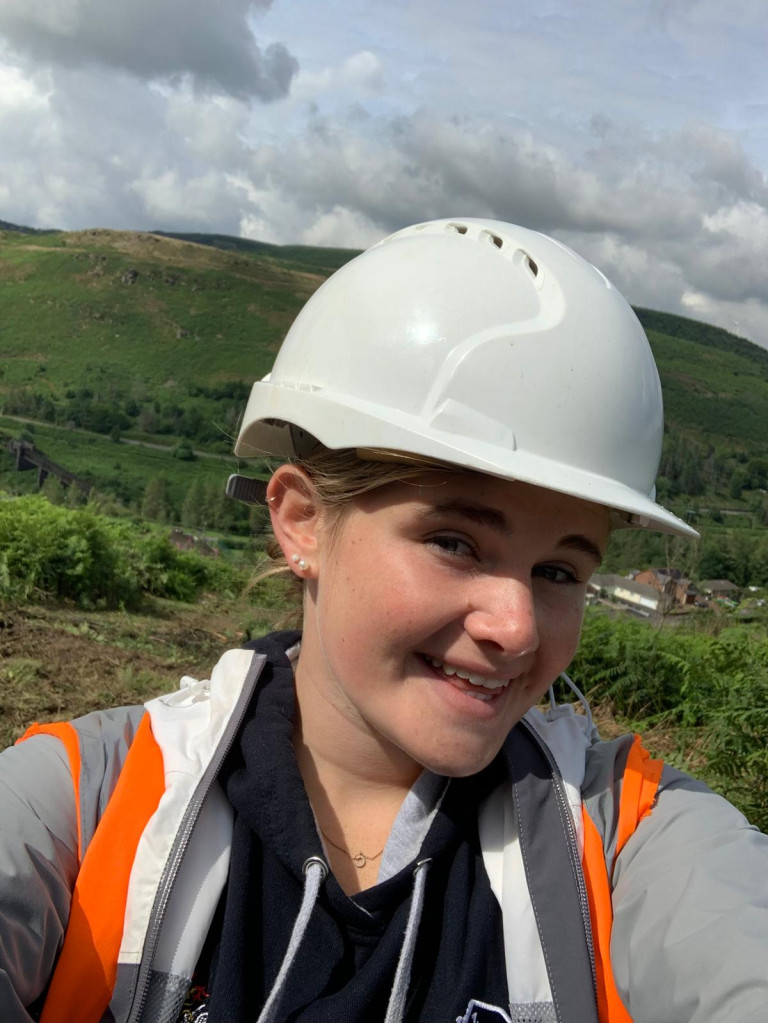
A lot of people working in green jobs discovered the sector gradually – through school activities, meeting people working in nature, volunteering, outdoor experiences, hobbies, or simply finding subjects they enjoyed.
School can be a great place to start exploring what interests you, building skills, and discovering the many different jobs connected to nature and the environment.
Variety of Green Jobs
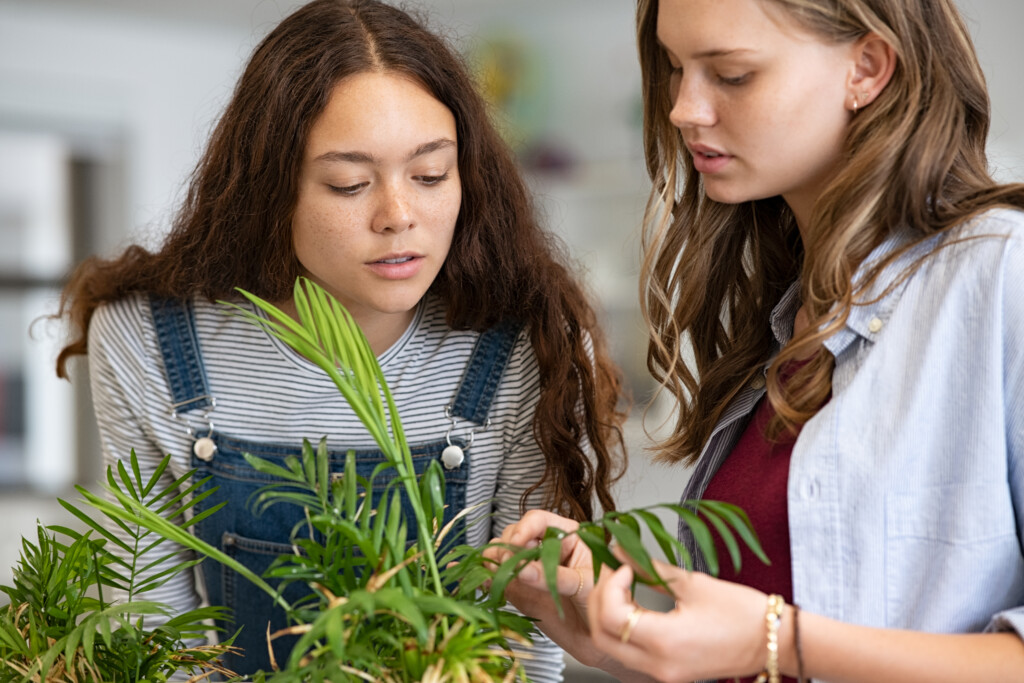
When people think about environmental careers, they often picture scientists or conservationists working outdoors. While those roles are important, green jobs include many different types of work and use a wide range of skills.
People working in the sector might analyse environmental data, create maps, manage projects, work with communities, communicate environmental issues, carry out research, advise organisations, or help shape environmental policy and law.

Explore Subjects You Enjoy
There is no single “right” subject combination for green jobs. Different careers use different skills, and many people discover their interests over time through subjects they enjoy at school.
Biology, Environmental Science, and Geography can connect to roles such as Ecologist, Conservation Worker, Forestry and Arboriculture, and Research. These subjects can help build understanding of habitats, species, ecosystems, and environmental change, while also developing practical fieldwork and problem-solving skills.
Geography, Maths, and Computing can also support careers in Data and Mapping, where people use digital tools, mapping software, and environmental data to understand landscapes, habitats, flooding, biodiversity, and climate-related issues. These skills are also useful for many Environmental Adviser and planning-related roles.
English, Media, and Art and Design can connect to careers in Media and Communications and Environmental Educator roles. Organisations working in nature need people who can communicate clearly, create content, work with communities, run campaigns, and help others understand environmental issues.
Business-related subjects can support careers as a Project Manager, helping organisations plan projects, manage budgets, coordinate teams, and deliver environmental work effectively.
Subjects such as English, History, Politics, and Geography can also connect to careers in Policy and Law, where people help shape environmental decisions, legislation, and public policy.
There are also many Other Related Roles across the sector, including administration, finance, community engagement, technology, outdoor learning, and visitor services.
The important thing is building skills, confidence, and interests, not having everything planned out early.
Explore Green Jobs Where You Live
Environmental careers can look slightly different depending on where you live in the UK and Ireland. Different countries have different qualifications, organisations, environmental priorities, and pathways into jobs.
Check out our country specific:
Variety of Roles in the UK

Get Involved at School
School activities can help you explore interests, build confidence, and develop useful experience. For example you could consider these ideas:
Join, or start an eco-group or eco-council
Eco-groups often work on projects linked to sustainability, biodiversity, or improving the school environment. They can also help you develop teamwork, leadership, communication, and project planning skills. Your school might be involved in the Eco-Schools campaign, or might want to get involved. Follow the link for the relevant country:
- Scotland
- England
- Wales
- Northern Ireland
- In the Republic of Ireland – a similar scheme exists called Green Schools
Take part in the National Education Nature Park (England only)
The National Education Nature Park helps schools explore biodiversity and improve spaces for nature on school grounds. Students can get involved in activities such as mapping habitats, recording wildlife, and learning more about local environments.
Invite guest speakers into school
Many students never hear about environmental careers during school. Inviting professionals into school can help you discover different jobs, pathways, and experiences across the sector. Your school can find speakers via websites like:
Build Experience Outside the Classroom
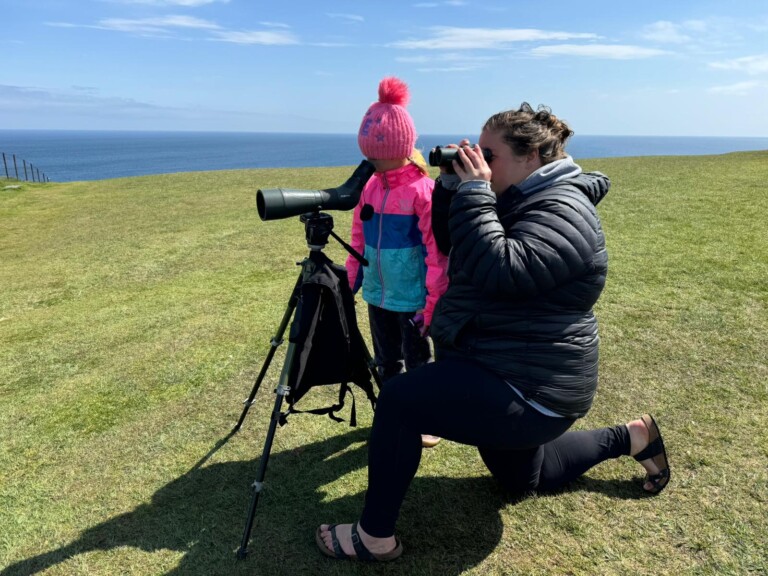
You do not need years of experience to start exploring green jobs. Simple activities can help you learn more about the sector and build useful skills. You could:
- volunteer locally
- join wildlife or outdoor groups
- try nature photography or filmmaking
- use wildlife recording apps, such as iNaturalist, or Merlin
- visit parks, reserves, or environmental centres
- create social media content about environmental issues
- take part in citizen science projects
Green Jobs for Nature Resources
One of the best ways to learn about green jobs is by hearing directly from people already doing them. On our website you can find stories from people working across the environmental sector, you can find out more about:
- the jobs they do
- the subjects they studied
- how they got started
- challenges they faced
- advice they would give to students
Many people working in green jobs did not follow exactly the same route.
There Is More Than One Pathway
Some people go to university. Others take apprenticeships, volunteer first, learn through work experience, or move into environmental work later on.
There is no single pathway into green jobs, and you do not need to have everything figured out right now.
Start Exploring
Exploring green jobs does not mean deciding your future immediately. Trying activities, discovering new interests, meeting people, and building confidence are all part of understanding what careers might be right for you.
Featured
Browse job profiles
Check out real stories from people already working in a Green Job for Nature
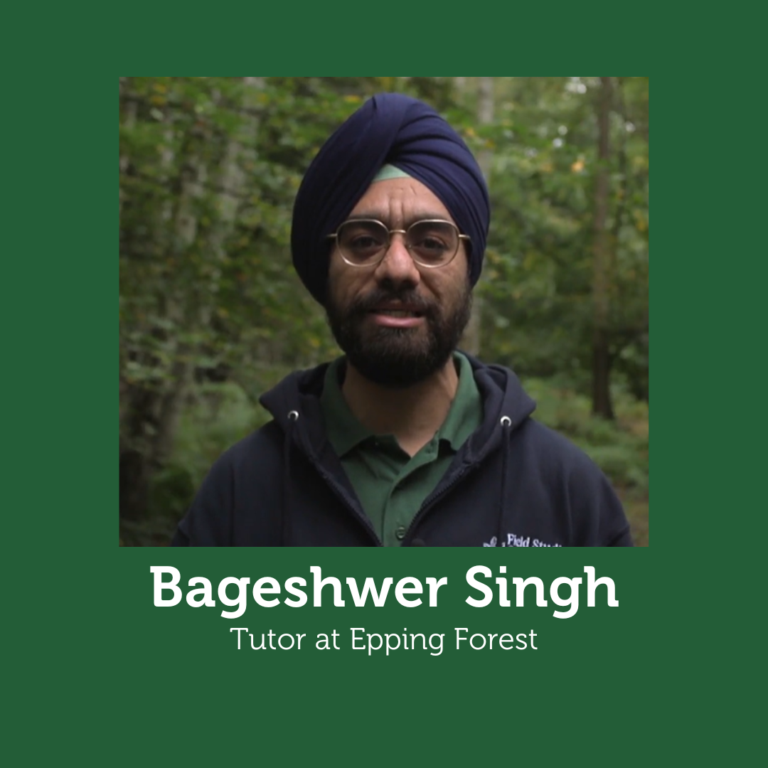
Browse videos
Series of videos covering the day to day work of people in the sector
Green Jobs for Nature Quiz
Find out what role might fit your interests

Read blogs
Read blogs written by people working in the sector