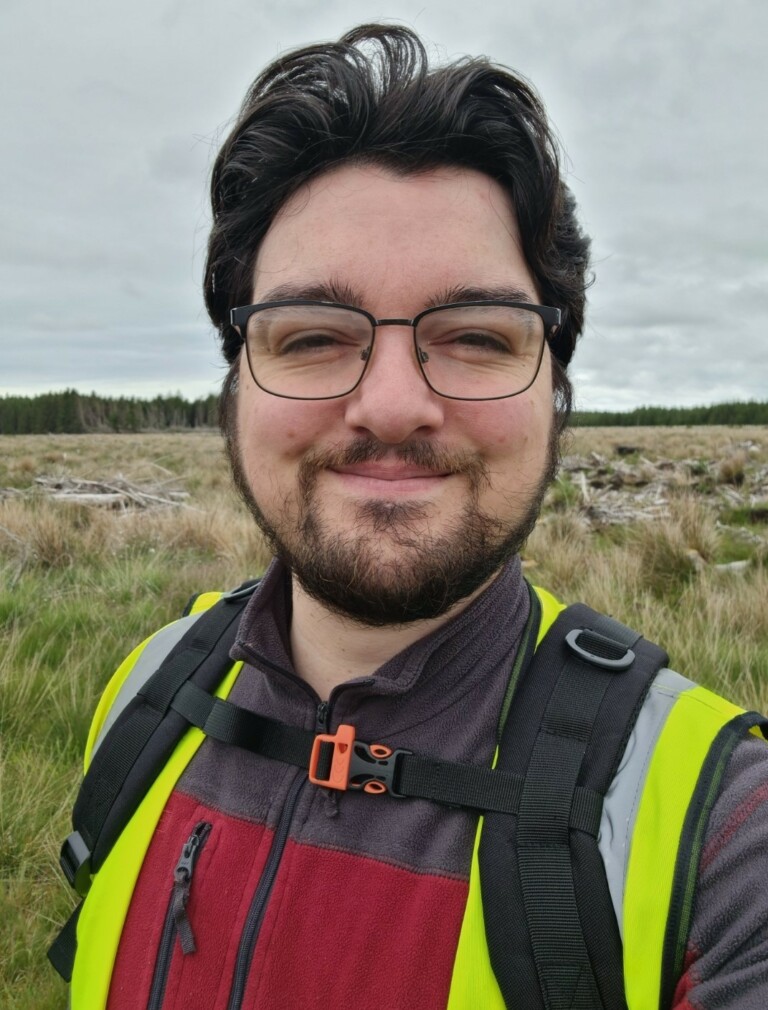
Katie Gregory

What employment sector do you work in?
Private Sector
How long have you had a green job for nature?
9 months
Please describe the work that you do.
I assist on a range of surveys, from Preliminary Ecological Appraisals where I’m searching for signs of protected species, like bat roost and badger dens, to botanical assessments where I’m categorising habitats or searching for notable plant species. Sometimes I act as an Ecological Clerk of Work on construction sites, keeping an eye out for great-crested newts or reptiles. When I’m not in the field, I’m talking to clients to find out their ecological needs, or writing reports.
What do you most like about your job? Any dislikes?
Working for a large consultancy means that there are tonnes of different projects going on, so if you have a specific ecological interest you’d like to pursue, you’ll likely be able to be paired up to a relevant project. I enjoy the responsibility of the work I do, as my findings whether at the desk or in the field can enact tangible protections for vulnerable species. A challenging aspect is navigating client perspectives, while nature is all-important to you they will often see it as a ‘box-ticking’ exercise and resent the expense. While you won’t convert every client into a nature-lover, if you can win them round with your expertise and quality of service, you can make them more receptive to doing the right thing for the environment.
What inspired you into this career?
I’m a career changer, so I had already worked a few jobs before finding out what I wanted to do in life. Hearing so much terrible environmental news, I couldn’t shake the feeling of wanting to dedicate myself to protecting nature and biodiversity, so I retrained to become an ecologist. Even with this motivation, I didn’t anticipate how much I would love this line of work! Working outdoors, learning so much natural history, which enriches my personal life too, and fighting on nature’s behalf – it’s brilliant.
Have you faced any challenges in progressing your career so far?
My biggest challenge so far was actually getting a foot in the door. As a humanities graduate, not having a relevant degree made it very difficult to get through the paper sift, even with my transferrable skills from my previous jobs. My colleagues in the sector with relevant degrees also attest that the first job is the hardest to land. So, if you aren’t having any luck, have a look at how you can gain more ecological surveying experience, it’s really vital for the first step.
What education/training did you have?
My bachelor’s and master’s degrees in English Literature, though not directly relevant to the sector, have given me useful transferrable skills, especially for report writing, client communications and policy research. However, this wasn’t enough to land me a job in the sector, so I retrained by volunteering part-time with the Wildlife Trust. I assisted on a range of surveys during the spring and summer, and worked on data management and reporting post survey-season. With this relevant experience, I was able to get my first job as an Assistant Ecologist – which is the position I am in now.
What advice would you give to someone coming into the profession?
My advice is for the career-changers. The advice online is often that you need a relevant degree, but the traditional way is not the only way! Volunteering or seasonal work to gain experience is key. Ensure that the volunteering you are doing actually equips you with the skills you need – for ecology doing real surveys is the best thing. You can find opportunities to do so with local wildlife charities or protected species groups. Be bold and reach out to groups that will benefit from your time!
—
Tags: England, Private sector, Ecologist, Ecological consultant, Ecological surveyor, Career changer, Unrelated first degree
Date profile submitted: 20/11/2025
Related Job Profiles
Katie-Ruth Connolly

Kay Paul
Aaron Martin