
Fieldwork First: My experience of choosing college instead of A-Levels
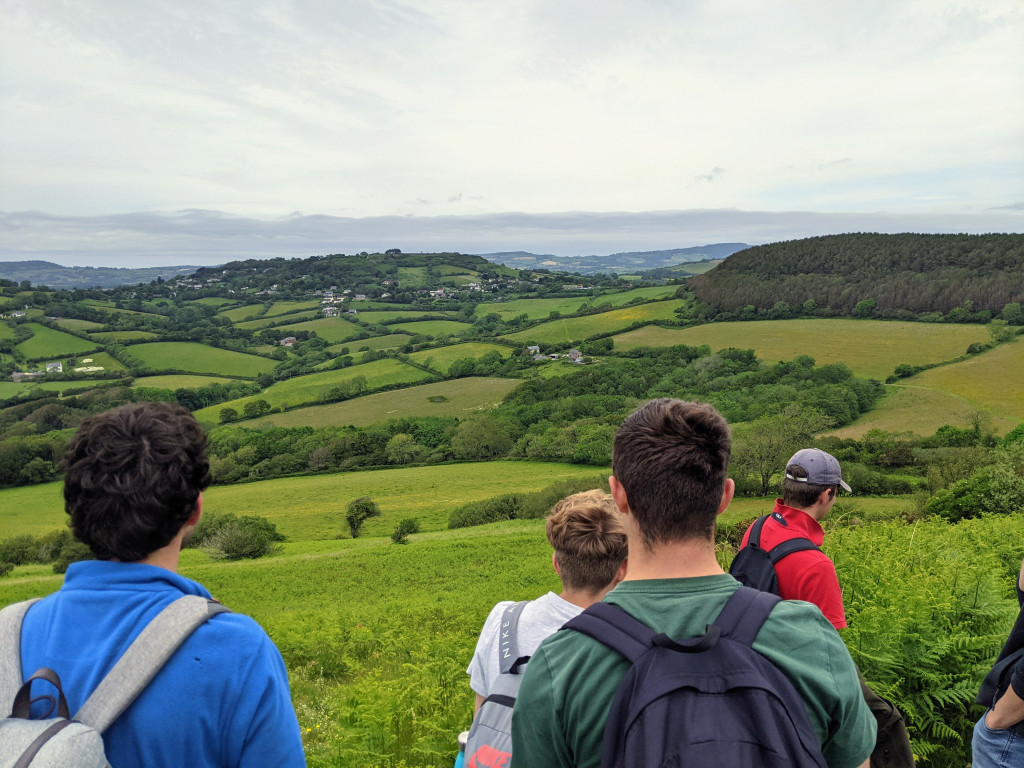
Deciding between vocational pathways and A-Levels before a degree in ecology can feel overwhelming, especially when there’s a stigma around “non-academic” routes. I opted for a vocational qualification instead of A-Levels before university, and found that it gave me a great head start. As I finish my degree and prepare for a masters alongside conservation work, I can clearly see how my vocational course helped shape a fulfilling and varied educational journey.
Getting started
My journey into Ecology began rather unconventionally. After an illness forced me to drop out of school in my GCSE year, I wasn’t sure how to move forward. I had always been passionate about nature and wildlife, but it didn’t look like any further formal education was within reach – until someone suggested I looked at vocational courses.
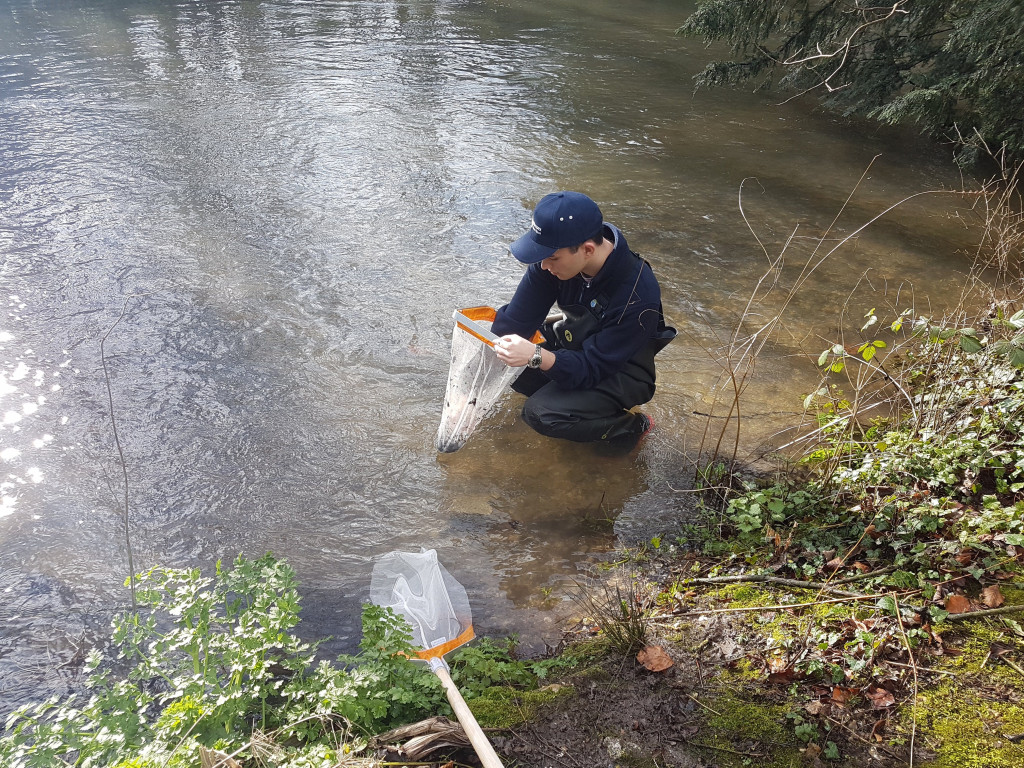
I joined a land-based college, and over two very unusual years (thanks COVID!) built up my confidence and field skills. With the help of excellent staff and a curriculum that provided a really solid foundation of natural history, ecology skills and land management, I gained experience in over 30 survey methods – everything from reptile surveys to assessing vegetative community composition. An added bonus of the course was the small class size; A-Level classes can have up to 30 students, whereas my course was half that. That, combined with the fact that I was with the same people and teacher all day, meant much more consistent learning without clashes in homework expectations or disruption! My course required a 6 month industry placement, which quickly turned into a two year placement as I enjoyed getting stuck in. This was a great introduction to working in the sector alongside a supportive team. Alongside this I was encouraged to take other opportunities to gain experience, even being allowed to miss classes for exciting surveys or fieldwork! I left college with a solid baseline in countryside management, and a confidence and enthusiasm for ecology. I decided to apply to University with some encouragement from my college tutor, although I was apprehensive about the change.
Making the jump
I quickly discovered the advantages of my vocational background at University, especially in modules with a UK conservation focus. While many of my peers were struggling to gain field experience and juggling volunteering alongside attending lectures, I was earning money helping manage sensitive sites during the holidays. I found that I had already covered the content of my Ecological Consultancy module, and I was confident conducting a range of surveys during fieldwork opportunities. When it came to picking modules, I had a good idea of the skills I would need as a graduate, and selected the modules I felt would be most beneficial. One of the highlights of university for me was getting to apply my field skills to deeper research, particularly through the analysis of long-term monitoring projects. It really felt like connecting the dots between the skills I learned at college – starting with initial site exploration and ending with a detailed understanding of community interactions.
With all that being said, there are difficulties moving from a more hands on course to university. The first term included a lot of content that others had covered in A-Level courses. I spent the summer skimming a biology textbook to get a general idea of the basics for genetics and physiology, but some things were new to me. Thankfully, the first term of university did a great job of getting everyone to the same standard – although I did have to cram a bit.
Top tips
• Take ownership of your learning – You’ll have the freedom to pick from a wide range of modules, but lecturers will expect you to engage with their content at the level required. If you’re not sure about choosing a module, it’s worth emailing them to get an idea of the prerequisite understanding needed.
• Keep an open mind – I went from disliking maths during GCSEs to focusing almost entirely on population and community ecology in my third year. The right context makes all the difference, so try not to discount things you didn’t like at school straight away!
• Plan ahead – Make sure to look out for module synergies, as well as proficiencies (such as “proficiency in law”) that can be added to your transcript with a certain number of credits from some module topics.
• Pick interesting modules – Some of my most memorable undergraduate modules deviated from my chosen pathway. I particularly enjoyed picking up some anthropology and paleobiology knowledge (you’re never too old for dinosaurs!).
My experiences in education have reinforced my belief that there is no “right” way into a career in ecology, and I have since met many others in the sector who took non-traditional routes. I’m confident that taking a vocational course before my degree has given me a more holistic perspective on countryside management, and a well-rounded skillset moving forward. In a sector where new graduates are often short on field skills, my previous experiences have given me a definite edge over some of my peers and opened up a wide range of opportunities. If you’re passionate about the natural world and want to work while you learn, it’s a route I’d strongly recommend!