
Forestry England Shadow Ranger Scheme

Written by an Ecology and Conservation student, this blog dives into the Forestry England Shadow Ranger Scheme – what it is, what it offers, and why it matters. It shines a light on how opportunities like this, especially through volunteering, can open doors and build real experience for anyone starting out in the environmental sector.
The shadow ranger volunteer scheme offers opportunities for individuals like myself, and others beginning a career in conservation. The role provided an opportunity to gain practical experience, develop employable skills, and deepen conservation knowledge. As a third-year ecology and conservation student who has just completed my degree at Nottingham Trent University, gaining experience in the environmental sector is essential for pursuing a career. Alongside finishing my degree, the six months of hands-on practical experience included leading groups, maintaining UK forests, and engaging with local communities. The scheme involved shadowing my supervisor, which provided me with direct insight into a day in the life of a forestry community ranger, pushing me out of my comfort zone. Each day, volunteering involved new tasks, allowing me to learn new skills—not only in conservation but also in a professional work environment.
Positive action plan
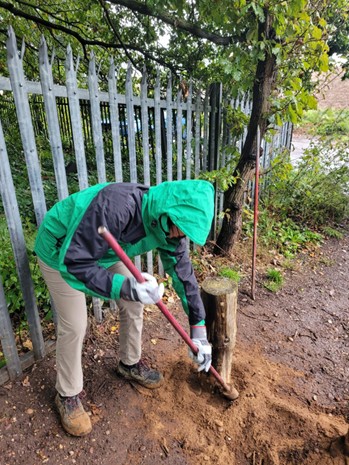
I first discovered the scheme through the group I volunteer with every Wednesday. Having been part of this group for two years, I knew I wanted to become more involved in the sector. Through my university studies and volunteering experience, I had already gained some knowledge; however, the scheme further broadened my understanding in the sector. The positive action plan programme has become a significant part of my life, enabling me to be part of a community and contribute to helping the environment in any way I can and has become my way into the shadow ranger scheme.
The experience
The role started by attending a training day, where all the new volunteers joining the scheme across the country were invited to Sherwood Pines. This was a great event to interact and learn about fellow volunteers and why they are joining the programme and what they hope to experience from completing the role. The day involved training in health and safety, gaining a greater insight into the role and learning about Forestry England’s incentives and history. It also had a talk from previous shadow rangers, who are now employed with Forestry England as a result of the scheme. It was inspiring to learn about their personal experiences and some of the skills and knowledge I would also be gaining.
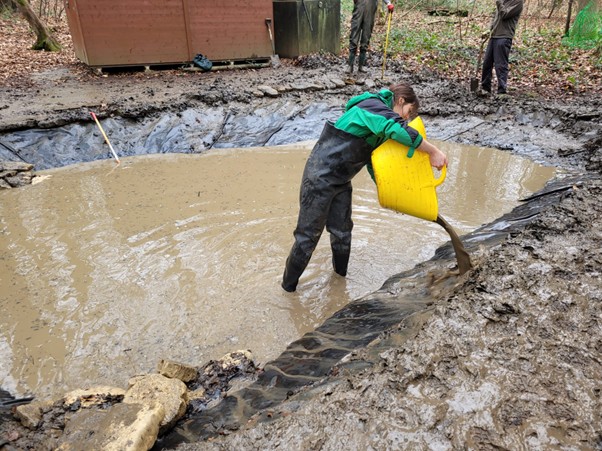
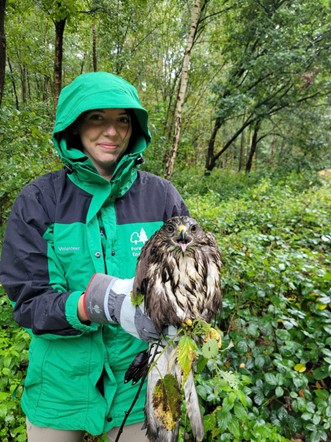
The first day of the role had a rather unexpected start. It was pouring rain, but the life of a ranger means working in rain or shine. Due to the forecast, some jobs had been rearranged; therefore, we ended up completing some maintenance tasks around the Sherwood district. Driving through the forest, I noticed a buzzard sitting on the road, looking bedraggled and unfazed by the van. Upon further inspection, the raptor could not fly and struggled to move due to exhaustion. This prompted a rescue mission. Using a jacket, I picked up the buzzard before taking it to a wildlife centre. After a good feed and some TLC, the buzzard was released. It is not every day you get to save a buzzard, but that is the exciting part about the role; you complete new tasks every day, with the role throwing unexpected surprises and opportunities.
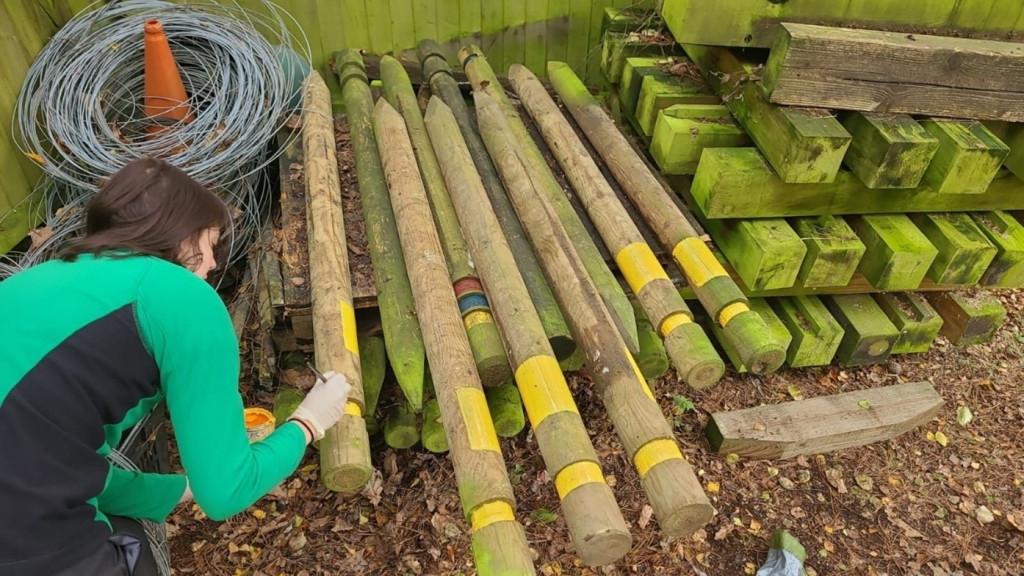
As a visual learner, the scheme allowed me to follow my supervisor as I adapted and learned new skills. This experience was applied to forestry maintenance, where I learnt to carry out facility checks, footpath repairs, and studied the ecology and history of Midlands forests. A key task I undertook was managing invasive species. The shadow ranger scheme helped me understand these species and why controlling them in the UK is vital to prevent their spread into natural forests. Rhododendron was one species I worked with often; removing the roots and the established plants was hard work, but essential to prevent the plants from toxifying the surrounding soil. Despite the work being tough, it is rewarding, and you feel as though you have achieved a great deal.
A significant part of the scheme was developing leadership skills, adapting my ability to lead groups of different abilities to complete manual forestry tasks. Leading groups boosted my confidence and communication skills and prepared me to handle unexpected challenges, pushing me beyond my comfort zone. I worked closely with local schools and colleges, independently leading sessions and teaching students about the importance of maintaining forests. This provided the opportunity to educate and inspire on the importance of the UK’s forests for nature and surrounding communities.
Final Reflections
The main purpose of the scheme was to gain practical experience to prepare for a career in conservation. However, one of the key benefits was the opportunity to meet members of the community who care about forests. Learning about others’ reasons for loving and volunteering in forests was inspiring, and it was rewarding to see the impact of volunteer programmes.
The experiences I gained from the Forestry England shadow ranger scheme have been invaluable and will stay with me regardless of the career path I choose. I developed confidence and completed tasks I thought I wouldn’t enjoy, which is what the shadow ranger scheme encourages: stepping out of your comfort zone. It can surprise you and help you develop not only professional skills but also everyday life skills. I would highly recommend this scheme to anyone considering a career change or seeking an entry into conservation, as it allows you to share your interest and make a difference.
Uploaded: 28/07/25