
How I Boosted My Eco Career (and Got Paid Doing It!)

When people think about getting into the environmental or ecology sector, there’s a common belief that you have to start by volunteering. While volunteering definitely has its place, it’s not the only route, and it wasn’t mine.
Hi! I’m Charlotte, and I studied two degrees at Cardiff University: an undergraduate degree in Environmental Geography, and more recently a Master’s in Global Ecology and Conservation. Between the two, I was fortunate enough to land several paid roles within the environmental and ecology sectors which not only helped to fund my studies, but also gave me valuable experience that helped me secure my current job as an Ecological Consultant at Arcadis.
These opportunities weren’t only good for the CV, but were real, hands-on experiences that shaped my career. So if you’re wondering how to break into this sector without working for free, here’s how I did it…and how you can too!
Earning While Learning: My Summer as a Seasonal Ecologist
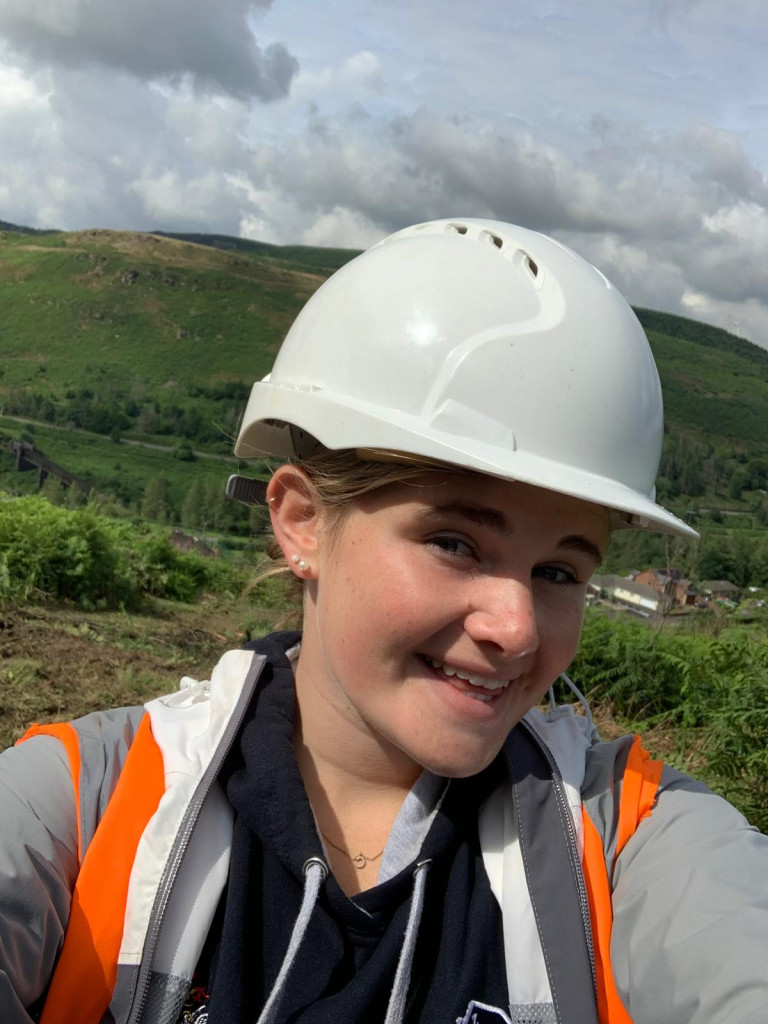
After finishing my undergraduate degree, I got a job as a seasonal ecologist, working as an Ecological Clerk of Works (ECoW) on a beautiful mountainside in South Wales. It was one of the most rewarding experiences I’ve had to date, both professionally and personally.
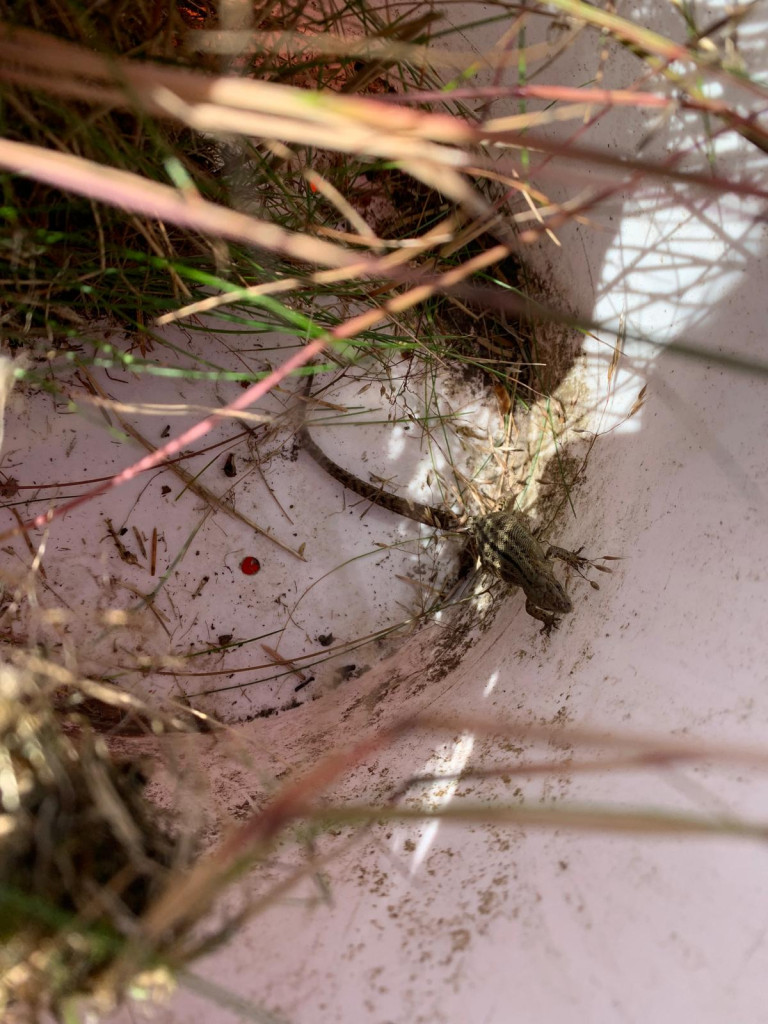
The role involved a mix of ECoW duties, reptile translocation, and nesting bird surveys, and gave me my first real insight into how ecology works in real life during construction projects. And the best part? It was paid.
This job didn’t just help me apply what I’d learned at university but also gave me relevant experience that I could draw on in job interviews, and a real confidence boost going into my Master’s degree and beyond. And did I mention the views were pretty incredible too?!
From the Field to the Office: Supporting Conservation in Borneo
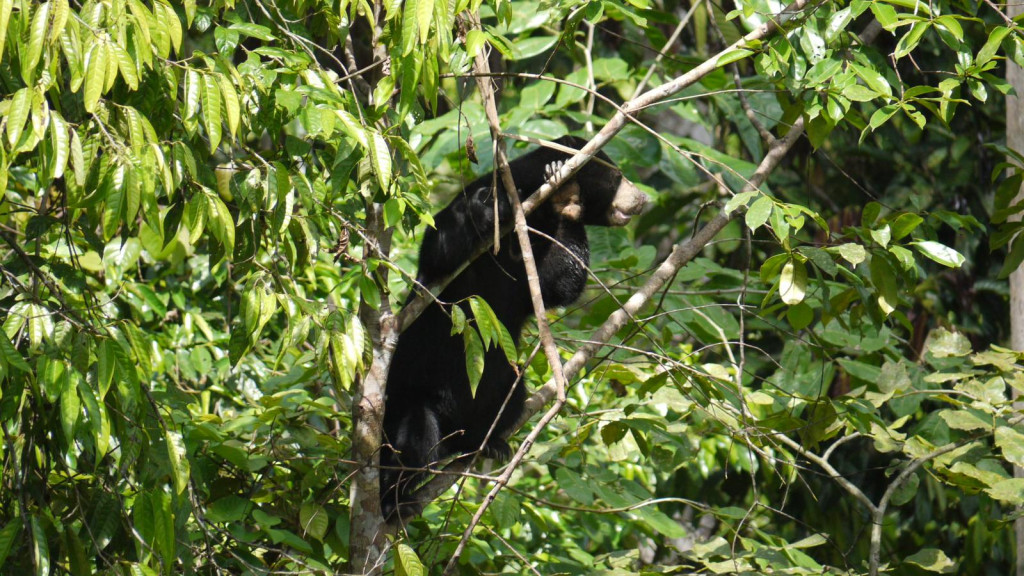
Another key experience came after an unforgettable field trip to Borneo during my Master’s course, when I started working part-time (again, paid!) as a Charity Assistant for Regrow Borneo, whilst writing my dissertation.
In this role, I supported the charity’s work in a few different ways:
– Acting as a secretary, helping with coordinating meetings and communicating with the team
– Helping to produce the annual summary report; and
– Assisting in the development of the Bornean Sun Bear Action Plan
This wasn’t just admin work though, it gave me a behind-the-scenes look at how a conservation organisation functions, and I got to play a real role in the meaningful, impactful work that they do. It was also a great way to stay connected to international conservation efforts, even once I was back in the UK.
The Key Message: Paid Experience Is Possible
Volunteering can be a brilliant way to get started in the sector (which I love to do now when out and about with my local bat and mammal groups), but it’s not the only way. My experience shows that there are paid roles out there, even for students and early-career ecologists! From my experience there is often room to grow and develop within opportunities, and sometimes tasks that do not appear terribly rewarding on the first look can turn out to be the most valuable in terms of practical experience, so don’t discount or turn down opportunities because they don’t exactly match your long term goal!
Here are a few tips for finding them:
– Look out for seasonal fieldwork roles, especially over the summer breaks
– Make the most of university networks, lecturers, and field trip contacts that you make; and
– Be open to flexible or part-time positions, some of the most unexpected ones can end up being the best!
The paid roles I’ve had didn’t just help give me financial independence, they gave me real-world experience, new skills, and a head start in my ecology career. They’ve helped me get to where I am now, and I’d encourage anyone starting out in this field to grab hold of any opportunities you can! But it’s even better if they are paid and help build your experience!.
You can find more information about these placements over on my LinkedIn page.
Uploaded: 05/02/26