
Meet Your New Assistant Ranger: My Journey into Conservation
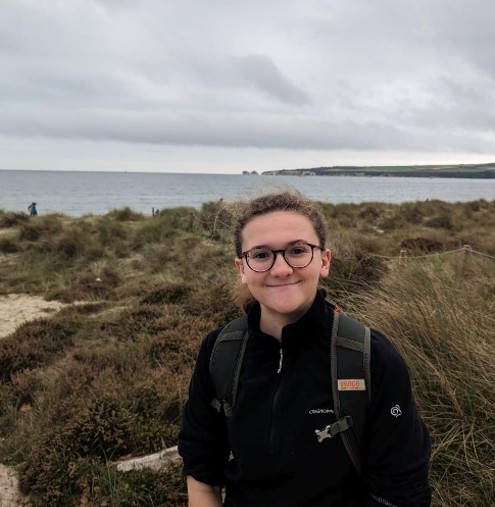
Blog 2 – November 2026
Choosing to study Countryside Management at Kingston Maurward, Dorchester was one of the best decisions I’ve ever made. Over two years, I developed valuable practical skills, made great friends and learned so much about the countryside and conservation industry.
I wanted to take the opportunity to look back on my time at Kingston Maurward and share my experiences. For anyone considering a career in conservation or not wanting to head to university – a college course would be perfect for you. Here’s a little look back at my journey.
Choosing to study Countryside Management at Kingston Maurward, Dorchester was one of the best decisions I’ve ever made. Over two years, I developed valuable practical skills, made great friends and learned so much about the countryside and conservation industry.
I wanted to take the opportunity to look back on my time at Kingston Maurward and share my experiences. For anyone considering a career in conservation or not wanting to head to university – a college course would be perfect for you.
Here’s a little look back at my journey:
While studying for my A Levels, I realised that my next step needed to be something more hands-on, where I could learn practical skills alongside theory and gain a qualification that would help me get into the industry. That’s what attracted me to Kingston Maurward, a specialist land-based college near Dorchester. The combination of classroom learning, practical conservation work and exploring different countryside environments made it the perfect course for me. I was able to build upon my passion and existing conservation knowledge I had learned volunteering on Brownsea Island through studying at college.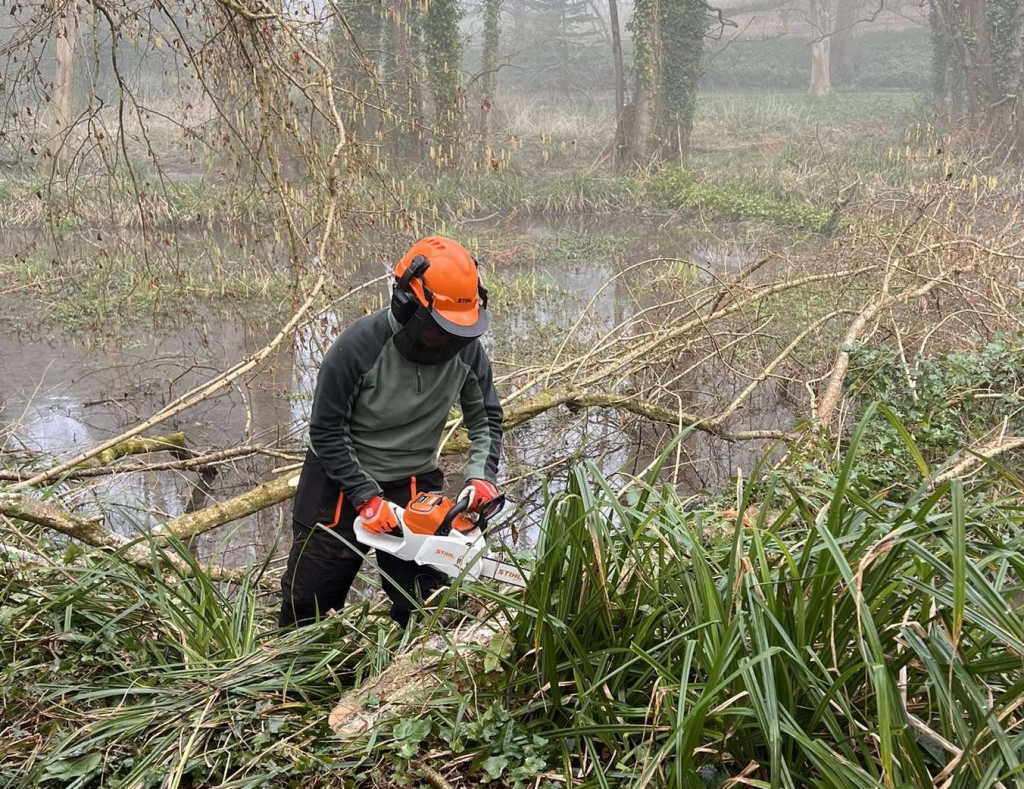
Fridays turned out to be my favourite day of the week – outdoor practicals. We learned how to build a fence, make a dry-stone wall, fell a tree safely and operate machinery such as chainsaws, hedge cutters and tractors.
We learned the importance of preparation, from readying the tools and carrying out site surveys to producing reports and successfully completing the task. The practical days made the college week so much more enjoyable. A lot more hands on as opposed to learning at school. I was at college for 3 days a week, with 2 days off where I would do assignments and undertake work placement.
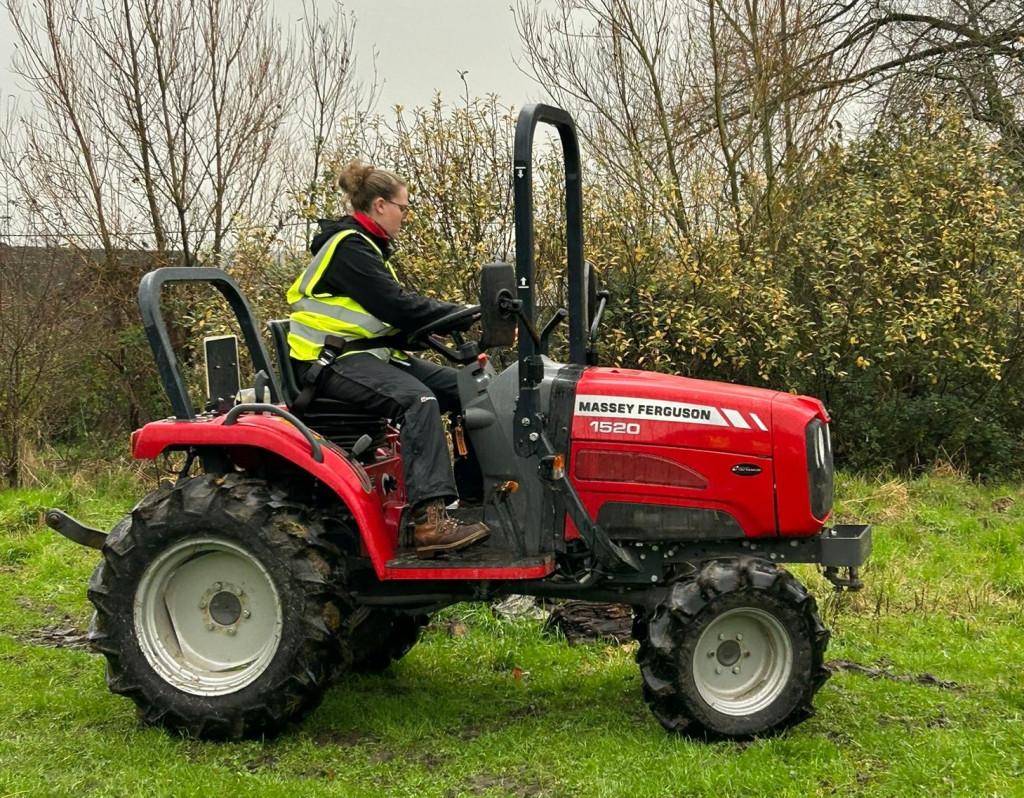
Throughout the course, we covered woodland management, tree surveys, native tree planting, wildlife surveys and habitat management. We even had the opportunity to plant native trees as part of an assignment at the college lake.
These practical sessions helped build my confidence, with Health and Safety at the core, and gave me industry recognised qualifications that I can now use in my day job as a ranger.
Pond Dipping Survey
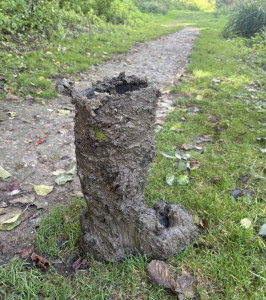
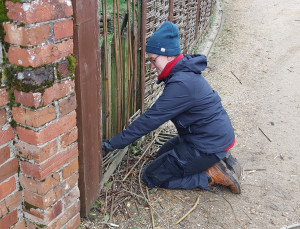
We worked in all weathers and ground conditions learning important life skills along the way such as why the right PPE is important for various tasks. This was my wellie boot that was claimed by thick silt in the college lake during a pond dipping survey. Whenever I was near the lake after that, I made sure I was wearing my waders!
Although I loved the practical side of the course, there was plenty to learn in the classroom too. We covered wildlife ecology, Health & Safety, plant and soil science, habitats, ecosystems, and the identification of flora and fauna learning to recognise different plants, trees and wildlife including their scientific Latin names. We were able to explore a variety of environments such as woodlands, freshwater habitats and coastal ecosystems. I learned about the species that inhabited these environments, both within the UK and globally, and best practice for managing and protecting them. I acquired mapping skills using Digi Maps, which was a huge help with report writing and conservation planning.
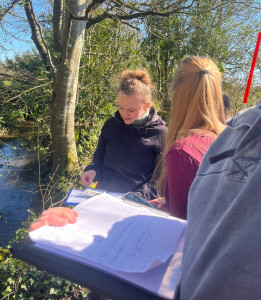
Assessed coursework meant that not everything relied upon a final exam. We researched topics in more depth and presented what we’d learnt in different ways for those assignments. There were lots of ways for me to showcase my knowledge, including writing essays and reports, producing management plans, creating posters on Canva and delivering PowerPoint presentations (in person and prerecorded). There was plenty of laughter along the way, but we were learning valuable survey techniques and making memories at the same time.
Alongside the college study we were required to complete 230 hours of work placement each year, which worked out to be about 2 days per week. I chose to spend mine on Brownsea Island and was lucky enough to get a placement with both the National Trust and Dorset Wildlife Trust. I helped guide conservation volunteering sessions and woodland management activities for DofE students, demonstrating how to use tools safely and explaining the importance of the conservation work we were carrying out.
Our field trips were a definite highlight, exploring some fantastic locations along Dorset’s Jurassic Coast including Hengistbury Head, Kimmeridge Bay, Lulworth Cove, Durdle Door and Studland Beach. From rock pooling and vegetation surveys to beach profiles and sand dune monitoring, we experienced a variety of coastal environments and put our surveying skills into practice.
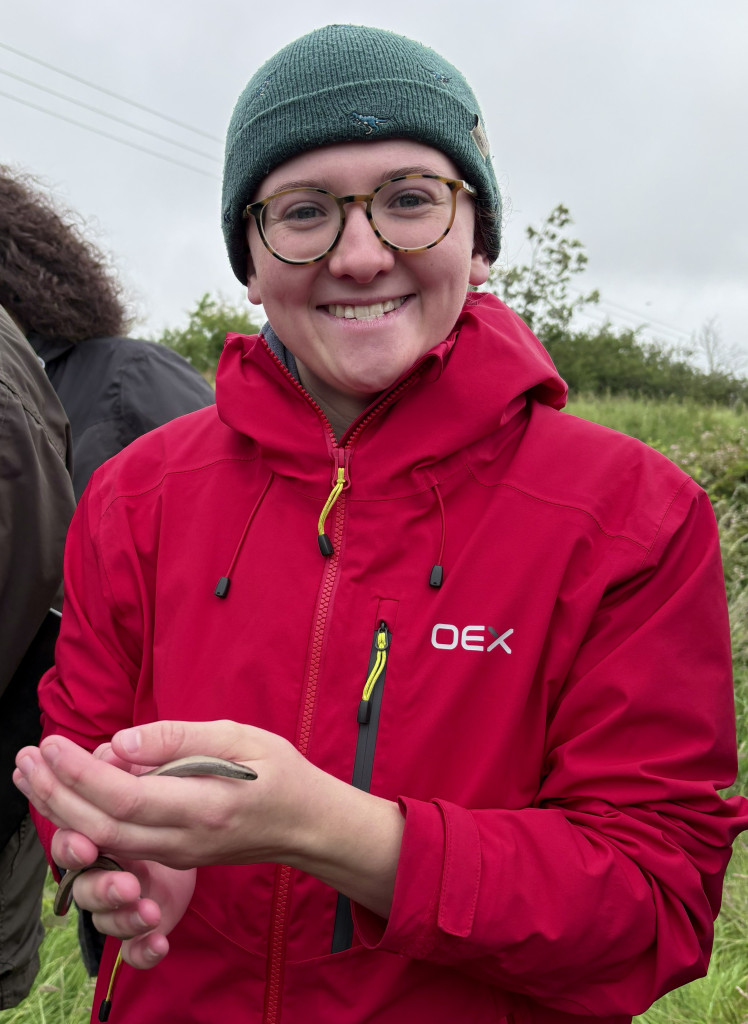
To celebrate our final year, we visited North Devon and the Eden Project. We explored beaches, sand dunes, released slow worms and watched bats in the evening; it was the perfect way to round off two fantastic years.
The people I met along the way were a huge part of what made my time at Kingston Maurward so special. Being surrounded by classmates who shared similar interests and a passion for the countryside made the experience even more enjoyable and I’m lucky to have made friendships that I can see lasting a lifetime.
Our tutors always went above and beyond to support and encourage us, no matter how busy they were.
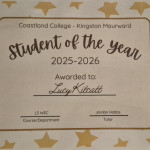
There were certainly some challenging and emotional moments along the way – but talking to my friends from school – that’s happened to all of us at some point. Some deadlines were left too late which meant late night assignment writing and struggling to start coursework when looking at that blank page. But I got through it and achieved 3 Distinctions and the Student of the Year award for 2025/26.
Looking back, my time at college has shown me what can happen when you find something you truly love doing.
My goal throughout college was always to work in conservation and countryside management and becoming a ranger was something I’d dreamed of for years.
Just a few weeks after finishing my course, I was lucky enough to secure a position as an Assistant Ranger at Moors Valley Country Park with Dorset Council. It’s been fantastic to put everything I learnt at Kingston Maurward into practice, from using chainsaws and brush cutters to helping with the day-to-day management of a busy country park. Ive also had the opportunity to support visitor activities work with different partners and get involved in education and engagement, including pond dipping and Ranger Den.
One of the most rewarding parts of the job is sharing my passion for wildlife with visitors, helping them discover something new and hopefully inspiring them to learn more about the natural world. The course gave me a brilliant foundation, but I’m still learning and developing every day. It is incredibly rewarding to turn something I’ve been passionate about for so long into a career I genuinely love!
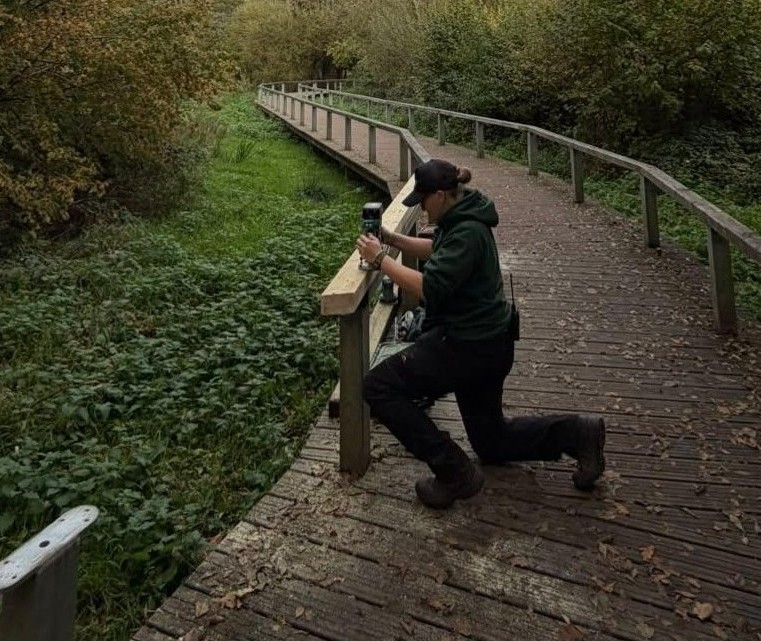
Blog 1 – October 2026
Why I Wanted to be a Ranger
Hello! My name is Lucy and I recently started my role as an Assistant Ranger at Moors Valley Country Park, a milestone that truly feels like a natural next step for me after completing my Level 3 Wildlife, Ecology & Conservation Diploma at Kingston Maurward College, Dorchester.
For as long as I can remember, I’ve loved being outdoors and working at a desk 9-5 wasn’t for me. Working as a ranger is the perfect fit because it allows me to combine my passion for the environment with hands-on practical countryside skills. It’s an incredibly rewarding experience that lets me actively help protect these beautiful landscapes, ensuring our outdoor spaces remain thriving environments for wildlife and special, welcoming places for visitors to love and enjoy.
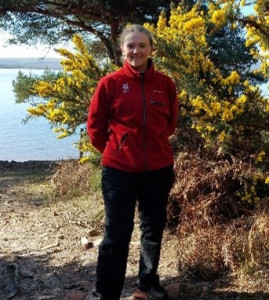
This is where my passion really grew within conservation and inspired me to become a countryside ranger.
Through volunteering, I had the opportunity to gain customer service skills, learn about wildlife, conservation and habitat management and the work that goes into looking after unique places for both nature and visitors. Spending so much time on the island helped me realise that a career in the countryside sector was something I genuinely wanted to pursue but didn’t know where to go or how to get a qualification in this sector without going to university. That’s where Kingston Maurward College came along….
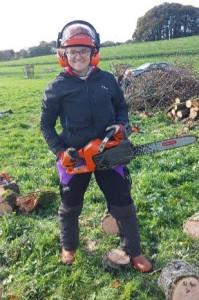 Along came Kingston Maurward College, after completing my A Levels I went on my onward journey to study a Level 3 BTEC qualification in Countryside Management. I chose this course as I am not an academic person, and this course at Kingston Maurward provided a perfect balance between practical and theory driven learning. I was able to develop practical skills and experience working in different environments including woodland, freshwater and coastal habitats.
I’ll share more about my time at Kingston Maurward College in a future blog post!
Moors Valley has 1,000 acres of forest, lakes and parkland, attracting over 750,000 visitors every year. My first few months in the role have been incredibly varied; every day brings something different. Practical conservation work, site maintenance, supporting volunteer work days, setting up events and trails to help ensure visitors have a great experience at the park.
One of my first tasks was to help feed the residents at the Ranger Den. 5 harvest mice, 8 European tree frogs and Imogen, the wasp spider. What a great way to find my feet and feel welcome!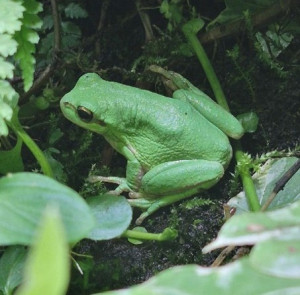
I’ve enjoyed working at the Visitor Centre, learning what people love about the park and problem solving when customers need help. It’s rewarding when you can make a difference to someone’s day.
I’m also discovering there’s more to ranger work than just being outdoors. Learning about the behind-the-scenes work involved in running a local authority partnership site has been a valuable part of the job and something I hadn’t really considered when starting out.
I’m looking forward to developing my skills even further over the coming months.
If you’re considering a career as a ranger, the biggest piece of advice anyone could offer is get as much practical and customer service experience as possible. There are many great ways to learn new skills and understand what the role really involves, such as volunteering, work placements and finding part-time employment.
Don’t be afraid to ask questions, try new things out of your comfort zone, and get involved in opportunities that come your way. Be brave, have fun and if you are passionate about something go for it. I did and now I’m loving turning up to work and get to play my part in the best team.

Looking Ahead
Thank you for reading and I hope you’ll follow along as my ranger adventure continues. In my upcoming blogs I will discuss Kingston Maurward College specifics, working in the winter months, seasonal trends, and wildlife encounters.
Lucy