Career Changers Hub
Changing Careers to Green Jobs for Nature
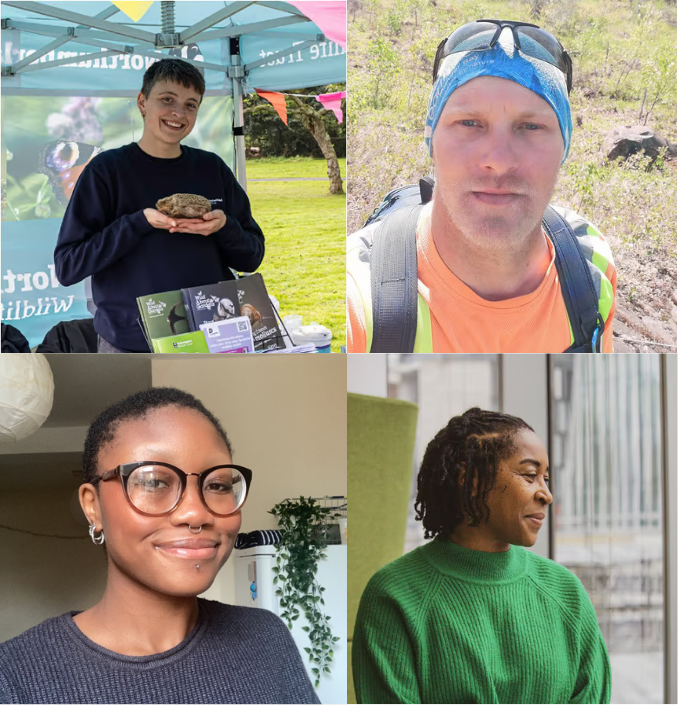
Jonathan Owen changed careers and now works managing habitats with Dorset Wildlife Trust. His role is hands-on and practical, involving everything from managing habitats to supervising groups of volunteers.
Natasha Rajpurohit, an Ecologist at Envance, talks about her move from medicine into the environment sector.
Listen to Jonathan’s and Natasha’s experiences here:
Changing Careers? You’re in Good Company
Whatever your background, teaching, tech, finance, the arts, there’s a well-trodden path into roles working with nature. You won’t be alone, and your skills won’t go to waste.
Career changers bring new insight, energy, and perspective. This diversity strengthens the sector, helping it respond to the complex challenges nature faces today. Ecology isn’t looking for perfect CVs, it’s looking for people ready to learn, adapt, and care.
Changing careers can be daunting. But in this field, it’s normal. Whether you’re retraining, returning after a break, or searching for more purpose in your work, there are clear, supported routes into green roles, from hands-on conservation, to policy, engagement, data, and more.
Thinking About a Career Change into Ecology or Environmental Management
Moving into the ecology and environmental management sector as a career changer can feel like a big step, but it also brings clear advantages. You already have experience of working life, professional responsibilities and balancing work with other commitments, all of which are valued in the sector. Your existing skills may be a major asset. Experience in communication, project management, teamwork or problem-solving can transfer well into environmental roles, so think carefully about how to present these strengths in your applications.
You may also need to build new skills or knowledge, such as species identification, survey techniques or practical field experience. This can often be done gradually through training, volunteering and free learning opportunities while you explore the sector. Volunteering, short courses, webinars and professional networks are all valuable ways to gain insight, experience and connections. They can help you decide which roles suit you best and demonstrate your commitment to employers.
Before making the switch, it’s worth taking time to understand what the work really involves. Research the types of roles available, where they’re based, and the working patterns and conditions they involve. This will help you identify roles that fit both your interests and your lifestyle. Many career changers find that some financial adjustment is needed, particularly if you’re moving from a more established role. Being realistic about pay at entry level can help you plan the transition more confidently.
Finally, think about the practicalities: location, travel, seasonal work and how a career change fits around your wider life commitments. Taking a thoughtful, informed approach can help you move into the sector with clarity and confidence.
Changing Course: Real Stories of Career Changers in Ecology
Many people working in nature didn’t start their careers there. Some moved from office jobs, others from teaching, retail, tech, or the arts. They often began by volunteering, retraining, or building on skills they already had. Everyone’s journey looks a little different – and seeing how others made the switch can help you work out what might be possible for you. 👇
Abbie de Castella
🌿 Abbie de Castella is a Team Wilder Community Support Officer, helping people connect with nature through community projects. After working in business and mental health, she made the switch in her late 30s, without needing to go to University.

Leo Hargreaves
🌱 Leo Hargreaves is a Nextdoor Nature Officer, working with communities to connect more people with nature through workshops and local projects. With a BA in Fine Art Sculpture and a Level 2 Diploma in Horticulture, they bring creativity and green skills to community engagement.

Anita Henderson
🌿 Anita Henderson is an Operations & People Manager at a climate solutions charity, overseeing organisational systems and leading on Equality, Diversity, and Inclusion. With a background in banking, legal, and TV/film industries, she transitioned into the environmental sector and has thrived without a specific degree in the field.

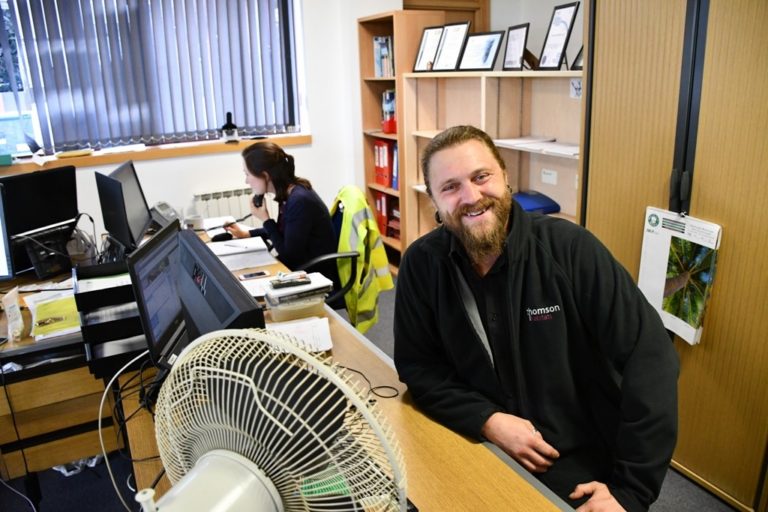
Wulfric Blackwell
🌳 Wulfric Blackwell is a Senior Project Manager at Thomson Environmental Consultants, overseeing large-scale ecological projects like ancient woodland translocation and habitat creation. With a BSc in Entertainment Technology and extensive training in project management and health and safety, he transitioned from the defence sector into ecology, driven by a lifelong passion for nature.
Green Jobs for Nature Roles
The green jobs for nature sector offers a diverse range of roles that contribute to protecting and restoring nature. Here’s an overview of some key areas:
Environmental Advisers:
Provide guidance to landowners, businesses, and local authorities on sustainable practices and compliance with environmental regulations.
Conservation Workers:
Engage in practical habitat management, ensuring the preservation and enhancement of natural environments.
Data and Mapping Specialists:
Analyse environmental data and create maps to inform decision-making and conservation strategies.
Ecologists:
Conduct surveys and research to understand ecosystems, identifying issues and developing plans to mitigate environmental impacts.
Environmental Educators:
Educate the public about environmental issues, fostering a deeper understanding and appreciation of nature.
Forestry and Arboriculture Professionals:
Manage forests and urban green spaces, balancing ecological health with human use.
Media and Communications Experts:
Advocate for environmental causes through various media platforms, raising awareness and driving action.
Policy and Legal Professionals:
Influence environmental policy and legislation to promote sustainable practices and conservation efforts.
Project Managers:
Oversee and coordinate conservation projects, ensuring they are completed efficiently and effectively.
Research:
Design and carry out studies to increase understanding of ecosystems, species, and environmental processes, providing evidence to inform conservation and policy decisions.
These roles are available across various employment sectors, including public sector, private sector, academia, industry, and non-governmental organizations (NGOs). Each sector offers unique opportunities and challenges, allowing individuals to find a path that aligns with their skills and interests.
Blogs
Find out more about being a career changer from the blogs below. Link to more blogs.