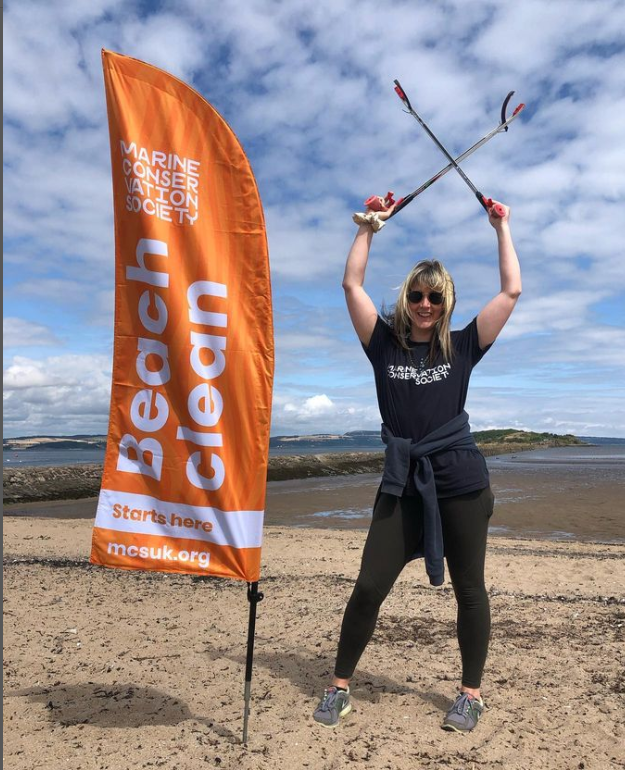
Lewis Griffin

What employment sector do you work in?
NGO Sector
How long have you had a green job for nature?
3 years
Please describe the work that you do.
As a Rescue Coordinator at British Divers Marine Life Rescue (BDMLR), my role entails working with our growing network of volunteer Medics, to assess marine mammals such as seals and dolphins in distress throughout the UK. In 2025 we received over 5000 reports of marine mammals, a record high for the charity. This continuous growth in calls highlights the need for our work in supporting these animals who are struggling in a world full of threats including disease, entanglement and disturbance.
What do you most like about your job? Any dislikes?
It is a real privilege to work so closely with our incredible marine wildlife as well as so many dedicated and passionate volunteers. One of the most rewarding elements of the role is knowing that these vulnerable animals are being given a second chance to thrive, getting to see them as they are released back into the wild once they have completed their rehabilitation is one of the best things in the world. In addition to this, engaging with members of the public who want to support our work through raising awareness and education is amazing, as they play such a large role in the animals rescue by reporting their concerns to us.
What inspired you into this career?
Knowing and observing the growing threats that our marine wildlife face daily, both human-made and naturally occurring, with still very limited research, drove me to pursue a role which provided these animals with a support network. Such species like the grey seal, common seal and harbour porpoise also act as major bioindicators, which provide with a significant insight into the health of our marine ecosystems.
Have you faced any challenges in progressing your career so far?
There is a growing need for more seal rehabilitation facilities throughout the UK. As we are seeing a growth in seal causalities year on year, the rate in which new rehabilitation becomes available cannot compete with the rate of causalities. Also observing a continuous rise in anthropogenic wildlife disturbance and entanglement incidents. It highlights the need for further and increase awareness through education which focuses on the importance of giving wildlife the species they need and ensuring that our rubbish and discarded tools such as monofilament netting is disposed of appropriately.
What education/training did you have?
At the time of starting the role I was completing a level 5 HND in Animal Management whilst lecturing in further education. A year prior to this I completed the BDMLR Marine Mammal Medic training course where my journey with the charity began!
Through becoming a Marine Mammal Medic and with my background in animal welfare and behaviour, I was able to continue building on my skill set and knowledge of marine mammals. Whilst developing in my role as a National Rescue Coordinator, I continued to complete my degree which I later specialised in Ecology and Conservation, training which has equipped me well within my role working in wildlife rescue and ecological research, a passion which never stops growing!
What advice would you give to someone coming into the profession?
Pursue where you want to be, even if it seems scary! Not sure where that is? Don’t panic…explore, seek out those in different sectors to gain an insight on what different roles are out there, ask questions and consider every opportunity. Never stop learning, never stop trying to improve a skill and also think about sharing your passion and journey as others may have with you, as what you have learnt might too inspire and help another.
—
Tags: UK, NGO sector, Conservation worker, Environmental educator, Researcher, Marine/Coastal
Date profile submitted: 18/06/2026
Related Job Profiles
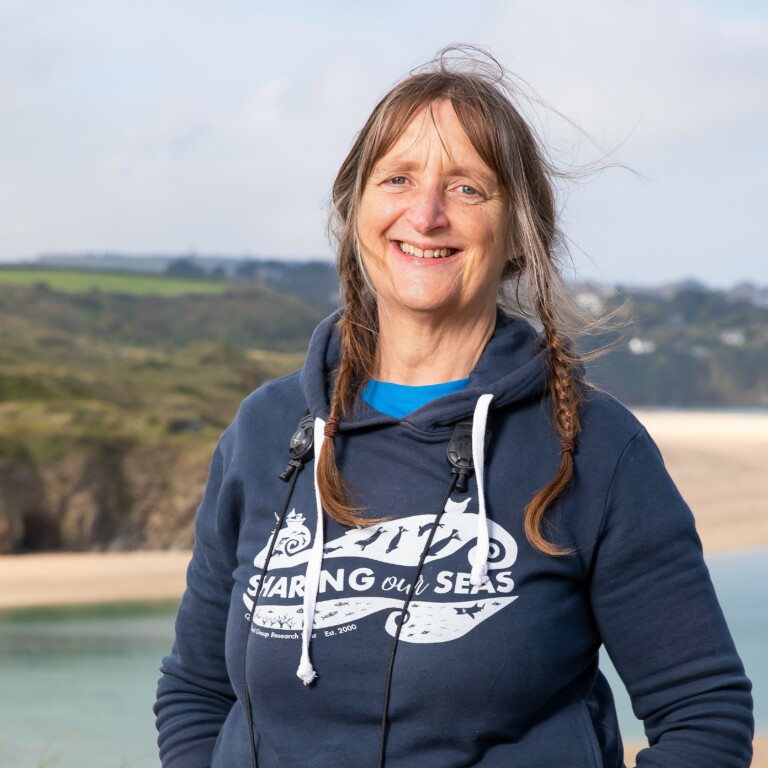
Sue Sayer MBE
Sian Woollard
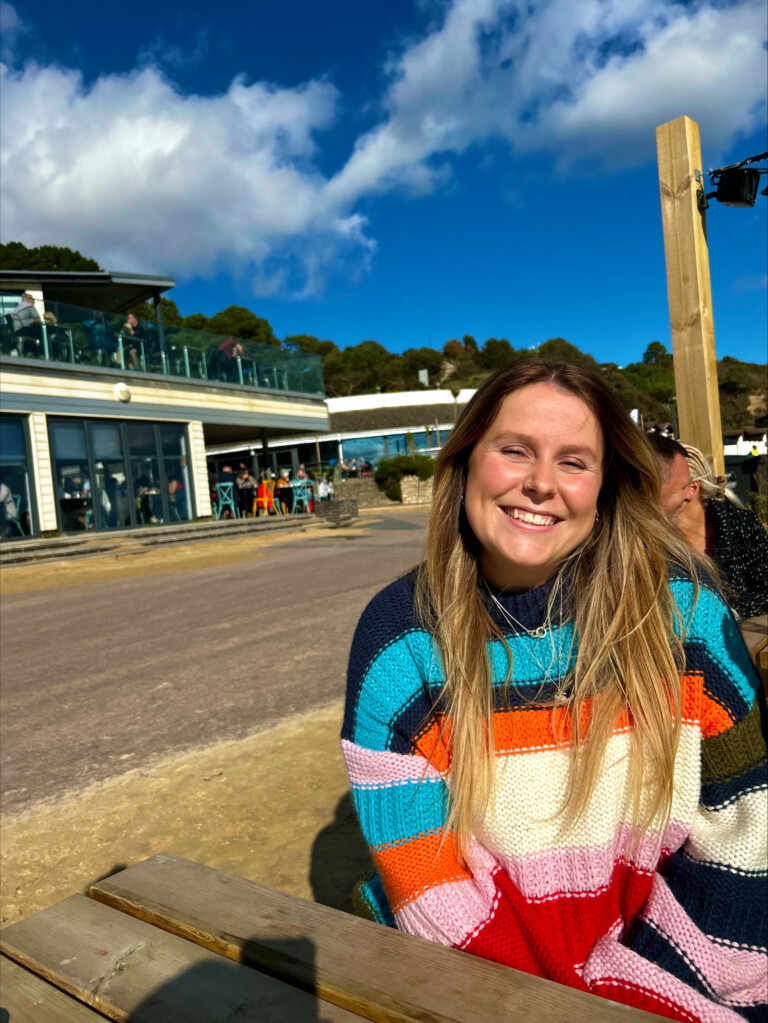
Kirsty Crawford